
Stockholm in 2 Days – The Perfect Weekend Itinerary
Planning a weekend in Stockholm? Two days are enough to discover many of the Swedish capital’s highlights. This practical itinerary takes you from the historic streets of Gamla Stan to the green island of Djurgården, with famous museums, beautiful viewpoints, Swedish food and scenic waterfront walks along the way.
Published 30 October 2026 · Updated 30 October 2026 · 12 min read
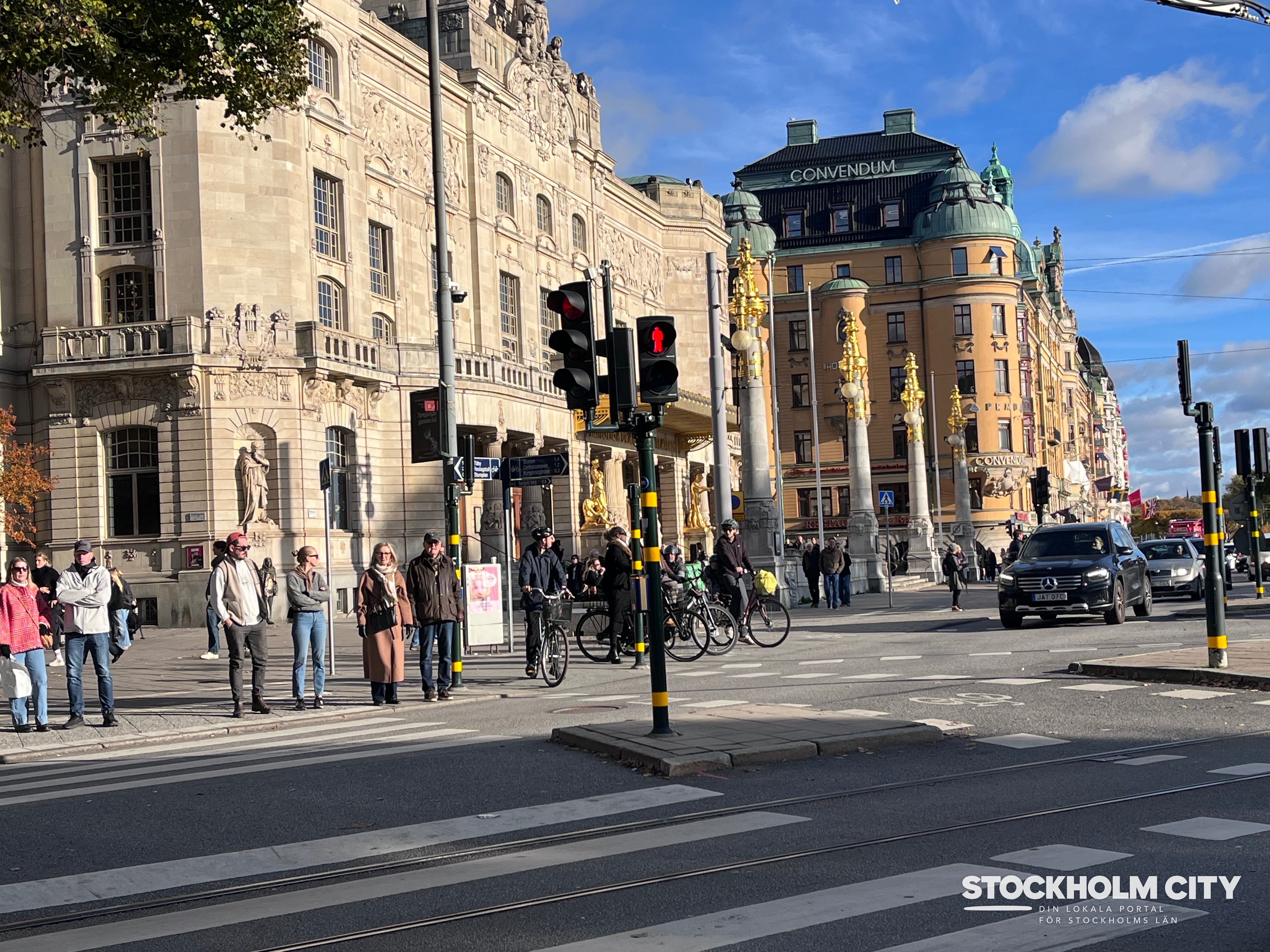
Stockholm in 2 Days – The Perfect Weekend Itinerary
Stockholm is a city unlike many other European capitals. Built across islands connected by bridges, surrounded by water and filled with historic streets, green parks and impressive architecture, it offers a remarkable variety of experiences within a relatively compact area.
If you have only two days in Stockholm, you do not need to spend the entire weekend rushing between attractions. With a well-planned route, you can explore the historic centre, discover some of the city’s most interesting museums, enjoy Swedish food and experience the waterfront atmosphere that makes Stockholm special.
This two-day itinerary is designed for first-time visitors. It combines the city’s best-known landmarks with neighbourhoods worth exploring at a slower pace. You can follow the complete route or choose the places that interest you most.
DAY 1 – Historic Stockholm, Gamla Stan and Panoramic Views
The first day is dedicated to the historic heart of Stockholm. You will discover the city’s medieval streets, important royal buildings, historic churches and some of the best viewpoints in the capital.
Stockholm City Hall – Start with an Iconic Landmark
Begin your morning at Stockholm City Hall (Stockholms stadshus), one of the most recognisable buildings in Sweden.
Located on the eastern waterfront of Kungsholmen, the red-brick building was completed in 1923. Its tower, topped with three golden crowns, has become one of the defining features of the Stockholm skyline.
City Hall is internationally known as the venue for the Nobel Prize banquet, held every December. Its interior includes the famous Blue Hall and the Golden Hall, decorated with an impressive mosaic.
Visitors can enter the building only as part of an organised guided tour. Tours are offered in Swedish and English, but availability varies depending on the date and the city’s official schedule.
Allow approximately 45 minutes for the guided tour, plus time to explore the waterfront surroundings.
Address: Hantverkargatan 1, Kungsholmen.
Official information: https://stadshuset.stockholm/en/visit-stockholm-city-hall/
Riddarholmen – A Historic Island with Beautiful Views
From City Hall, continue towards Riddarholmen, a small historic island between Kungsholmen and Gamla Stan.
The island is known for its historic buildings and Riddarholmen Church (Riddarholmskyrkan), traditionally associated with the burial of Swedish monarchs.
Walk along the waterfront and enjoy views towards Stockholm City Hall, Lake Mälaren and the surrounding islands.
Riddarholmen is also a good place to take photographs of the historic city skyline. It is quieter than many of the main tourist streets, making it a pleasant stop before entering Gamla Stan.
Gamla Stan – Explore the Old Town
Continue to Gamla Stan, Stockholm’s historic Old Town and one of the city’s most popular visitor destinations.
The district dates back to the Middle Ages. Its narrow cobblestone streets, colourful buildings, small squares and historic courtyards create an atmosphere that feels very different from modern Stockholm.
Start at Stortorget, the famous square surrounded by colourful historic façades. It is one of the most photographed places in the city.
From there, explore the surrounding streets and discover:
- Stortorget: The historic main square of Gamla Stan.
- The Royal Palace: One of the largest royal palaces in Europe.
- Stockholm Cathedral: Also known as Storkyrkan, an important historic church.
- The German Church: A landmark connected with Stockholm’s historic German community.
- Mårten Trotzigs gränd: A famous narrow alley with a passage approximately 90 centimetres wide at its narrowest point.
- Prästgatan: A historic street with a quieter atmosphere and traditional architecture.
Do not limit your visit to the busiest streets. Some of the most interesting details of Gamla Stan are hidden in smaller alleys and courtyards.
Allow approximately two hours to explore the district at a comfortable pace.
The Royal Palace – Discover Sweden’s Royal History
The Royal Palace (Kungliga slottet) stands in the heart of Gamla Stan and is one of Stockholm’s most important landmarks.
It serves as the official residence of the Swedish monarch and is used for royal ceremonies and official events.
The palace complex contains several visitor attractions, including the Royal Apartments, the Treasury and the Tre Kronor Museum. The Royal Armoury is also located in the palace area.
Depending on the day and season, visitors may also be able to watch the changing of the guard.
If you want to explore the palace interiors, check the current opening hours and ticket information before your visit.
Address: Slottsbacken, Gamla Stan.
Official information: https://www.kungligaslotten.se/english.html
Lunch in Gamla Stan – Try Traditional Swedish Food
After exploring the Old Town, take a break for lunch.
Stockholm offers restaurants ranging from traditional Swedish kitchens to modern international dining. Gamla Stan is a convenient place to stop, although restaurants directly on the busiest tourist streets can be more expensive.
If you want to experience Swedish cuisine, look for some of these traditional dishes:
- Köttbullar: Swedish meatballs, often served with potatoes, cream sauce and lingonberries.
- Toast Skagen: A classic Swedish starter with prawns and mayonnaise on toasted bread.
- Gravlax: Salmon cured with salt, sugar and dill.
- Sill: Pickled herring, traditionally served in several flavours.
- Smörgås: An open sandwich with different toppings.
A traditional Swedish lunch is a good opportunity to experience local food culture before continuing your walk.
Södermalm – Discover a Different Side of Stockholm
After lunch, cross towards Södermalm, one of Stockholm’s most distinctive neighbourhoods.
Unlike the historic atmosphere of Gamla Stan, Södermalm has a more contemporary character. It is known for independent shops, cafés, restaurants, vintage stores and creative spaces.
Explore the streets around Slussen, Mariatorget and the surrounding residential areas.
You will find a mixture of historic buildings, modern shops, small cafés and local restaurants.
Södermalm is also an excellent area for walking. Instead of following a strict sightseeing route, take some time to explore its streets and discover places that are not necessarily included in traditional tourist itineraries.
Monteliusvägen – One of the Best Views of Stockholm
One of the highlights of Södermalm is Monteliusvägen, a scenic walking path offering panoramic views across central Stockholm.
From here, you can see:
- Stockholm City Hall.
- Riddarholmen.
- Gamla Stan.
- The waterfront and surrounding islands.
- Parts of central Stockholm.
The walking path is approximately 500 metres long and is particularly beautiful in the late afternoon and around sunset.
It is one of the most popular places in Stockholm for photography, especially when the light reflects across the water.
Location: Monteliusvägen, Södermalm.
Recommended time: 30–45 minutes.
Please be considerate of local residents when visiting this residential area.
Dinner in Södermalm
Finish your first day with dinner in Södermalm.
The district has a varied restaurant scene, including Swedish cuisine, international restaurants, casual dining and modern food concepts.
It is a good place to experience Stockholm beyond the main tourist streets.
After dinner, enjoy a short evening walk or return to your accommodation.
DAY 2 – Djurgården, Museums and Stockholm’s Waterfront
The second day focuses on Djurgården, one of Stockholm’s most attractive areas.
This island combines museums, green spaces, historic buildings, waterfront paths and several of the city’s most popular attractions.
Getting to Djurgården
There are several ways to reach Djurgården from central Stockholm.
You can travel by tram, bus, ferry or on foot.
Taking a ferry is a particularly enjoyable option because it allows you to experience Stockholm from the water.
The Djurgården ferry from Slussen connects the city centre with the island. Other public transport connections are also available.
Check current departures and travel options using the SL journey planner.
Official transport information: https://sl.se/en/
The Vasa Museum – See a Remarkable 17th-Century Warship
The Vasa Museum (Vasamuseet) is one of Stockholm’s most famous attractions and a highlight of any first visit to the city.
Its main attraction is the Vasa, a Swedish warship that sank during its maiden voyage in 1628.
The ship was salvaged from Stockholm’s harbour in 1961 and is now preserved inside a purpose-built museum.
Visitors can admire the enormous wooden vessel from several levels and learn about its construction, the people who were on board, the sinking and the remarkable recovery operation.
The museum also features exhibitions about life in 17th-century Sweden and the history of the ship.
The Vasa is not simply an old ship on display. It provides a fascinating insight into Swedish history, shipbuilding and life in the early modern period.
Address: Galärvarvsvägen 14, Djurgården.
Recommended time: 1.5–2 hours.
Practical information:
- The museum is open throughout the year.
- Opening hours vary by season.
- Children and young people aged 18 and under currently have free admission.
- Large bags and wheeled luggage are not permitted inside.
- Guided tours are available.
- Check the official website for current admission prices and opening hours.
Official website: https://www.vasamuseet.se/en
Choose Another Attraction on Djurgården
If you have additional time, consider visiting one more attraction on the island.
Skansen – Sweden in Miniature
Skansen is an open-air museum where visitors can discover traditional Swedish buildings, historical environments, crafts and Nordic wildlife.
It offers an introduction to Swedish history and everyday life across different periods.
It is particularly interesting for families and visitors who want to learn more about Swedish traditions and culture.
Official website: https://www.skansen.se/en/
ABBA The Museum – Swedish Music History
Music fans may prefer ABBA The Museum, dedicated to one of Sweden’s most internationally successful music groups.
The museum features costumes, music, memorabilia and interactive experiences connected with the band’s history.
Official website: https://abbathemuseum.com/
Vrak – Museum of Wrecks
For visitors interested in maritime history and underwater archaeology, Vrak presents stories about shipwrecks in the Baltic Sea.
It is located close to the Vasa Museum and can be an interesting alternative for those who want to explore Stockholm’s maritime heritage.
Official website: https://www.vrak.se/en/
You do not need to visit every attraction. Choose the one that interests you most and leave time to enjoy Djurgården itself.
Lunch and Swedish Fika on Djurgården
After visiting a museum, take a break at one of Djurgården’s cafés or restaurants.
The island is a pleasant place for lunch, especially in good weather, when you can enjoy the green surroundings and views of the water.
You can also experience the Swedish tradition of fika.
Fika is more than simply drinking coffee. It is a social break, often enjoyed with friends, colleagues or family, and usually accompanied by something sweet.
A cinnamon bun (kanelbulle), coffee and a relaxed atmosphere are a classic Swedish combination.
Kungsträdgården – A Green Meeting Place in Central Stockholm
After Djurgården, return towards the city centre and visit Kungsträdgården.
This central park is a popular meeting place throughout the year and hosts seasonal events and activities.
In spring, its cherry trees attract visitors who come to admire the pink blossoms.
The park is surrounded by cafés, restaurants and important city landmarks. It is also within walking distance of several major shopping streets.
Östermalm – Elegant Streets and Swedish Food Culture
Continue towards Östermalm, a district known for elegant architecture, shopping streets and food culture.
One of its most interesting destinations is Östermalms Saluhall, a historic food market where visitors can discover Swedish ingredients, seafood, cheeses, pastries and prepared dishes.
It is a good place to experience another side of Stockholm’s culinary culture.
The surrounding streets also offer opportunities for shopping and a relaxed afternoon walk.
Check the market’s current opening hours before visiting.
Official website: https://ostermalmshallen.se/
Strandvägen – Finish Your Weekend by the Water
Before finishing your weekend, take a walk along Strandvägen, one of Stockholm’s most beautiful waterfront boulevards.
The street is known for its impressive architecture, waterfront location and views of the boats along the quay.
Continue towards Nybroviken or another nearby waterfront promenade.
Watch the boats, enjoy the architecture and take a few final photographs.
Stockholm is a city shaped by water, and a walk along its waterfront is one of the best ways to appreciate its character.
An Alternative Two-Day Route for a More Relaxed Weekend
Not everyone wants to spend a weekend visiting museums and historic buildings.
If you prefer a slower pace, consider this alternative itinerary.
DAY 1
- Breakfast in central Stockholm.
- Explore Gamla Stan.
- Visit the Royal Palace.
- Enjoy lunch in the Old Town.
- Walk around Södermalm.
- Watch the sunset from Monteliusvägen.
- Have dinner in the neighbourhood.
DAY 2
- Take a ferry or tram to Djurgården.
- Visit the Vasa Museum.
- Walk through the green areas of the island.
- Enjoy a traditional Swedish fika.
- Return to the city centre.
- Explore Kungsträdgården and Östermalm.
This version leaves more time for cafés, photography and spontaneous discoveries.
Practical Tips for Visiting Stockholm in Two Days
Use Public Transport
Stockholm has an extensive public transport network operated by SL.
You can travel by:
- Metro.
- Buses.
- Commuter trains.
- Trams and light rail.
- Selected commuter ferries.
Tickets can be purchased through the SL app or by using compatible contactless bank cards and mobile devices for eligible journeys.
Check current ticket conditions, prices and validity before travelling.
Official website: https://sl.se/en/fares-and-tickets
Choose Accommodation Near Public Transport
For a short weekend visit, staying close to a metro station or major transport hub can save time.
Central areas such as Norrmalm, Gamla Stan and parts of Södermalm offer convenient access to many attractions.
You do not necessarily need to stay directly beside the main tourist sights. Stockholm’s public transport makes it possible to reach many districts efficiently.
Wear Comfortable Shoes
Stockholm is an excellent city to explore on foot.
However, Gamla Stan has cobblestone streets, Djurgården has walking paths and some viewpoints involve slopes or stairs.
Comfortable shoes will make your weekend much easier.
Check Museum Opening Hours
Museum opening hours, admission prices and special exhibitions may change.
Always check official websites before planning your day, especially around public holidays and seasonal periods.
Leave Time for Spontaneous Discoveries
Do not plan every minute of your visit.
Some of Stockholm’s best experiences happen when you leave the main route, discover a small café, walk along the water or explore a quiet street.
How Much Can You See in Two Days?
With a well-planned itinerary, two days are enough to experience several of Stockholm’s most important highlights.
You can explore the historic centre, visit the Royal Palace, discover Södermalm, see the Vasa warship and enjoy the atmosphere of Djurgården.
You will not see everything. Stockholm has many more museums, neighbourhoods, islands and cultural attractions than can fit into one weekend.
But two days are enough to understand why the Swedish capital is such a distinctive destination — and perhaps to start planning your next visit.
Welcome to Stockholm!
Useful Official Links
- Visit Stockholm: https://www.visitstockholm.com/
- SL public transport: https://sl.se/en/
- Stockholm City Hall: https://stadshuset.stockholm/en/visit-stockholm-city-hall/
- The Royal Palace: https://www.kungligaslotten.se/english.html
- Vasa Museum: https://www.vasamuseet.se/en
- Skansen: https://www.skansen.se/en/
- ABBA The Museum: https://abbathemuseum.com/
- Vrak – Museum of Wrecks: https://www.vrak.se/en/
- Östermalms Saluhall: https://ostermalmshallen.se/
Editorial note: Opening hours, ticket prices, guided tours and transport services can change. Readers should confirm current information directly with the relevant attraction or transport operator before travelling.
More Visit Stockholm guides
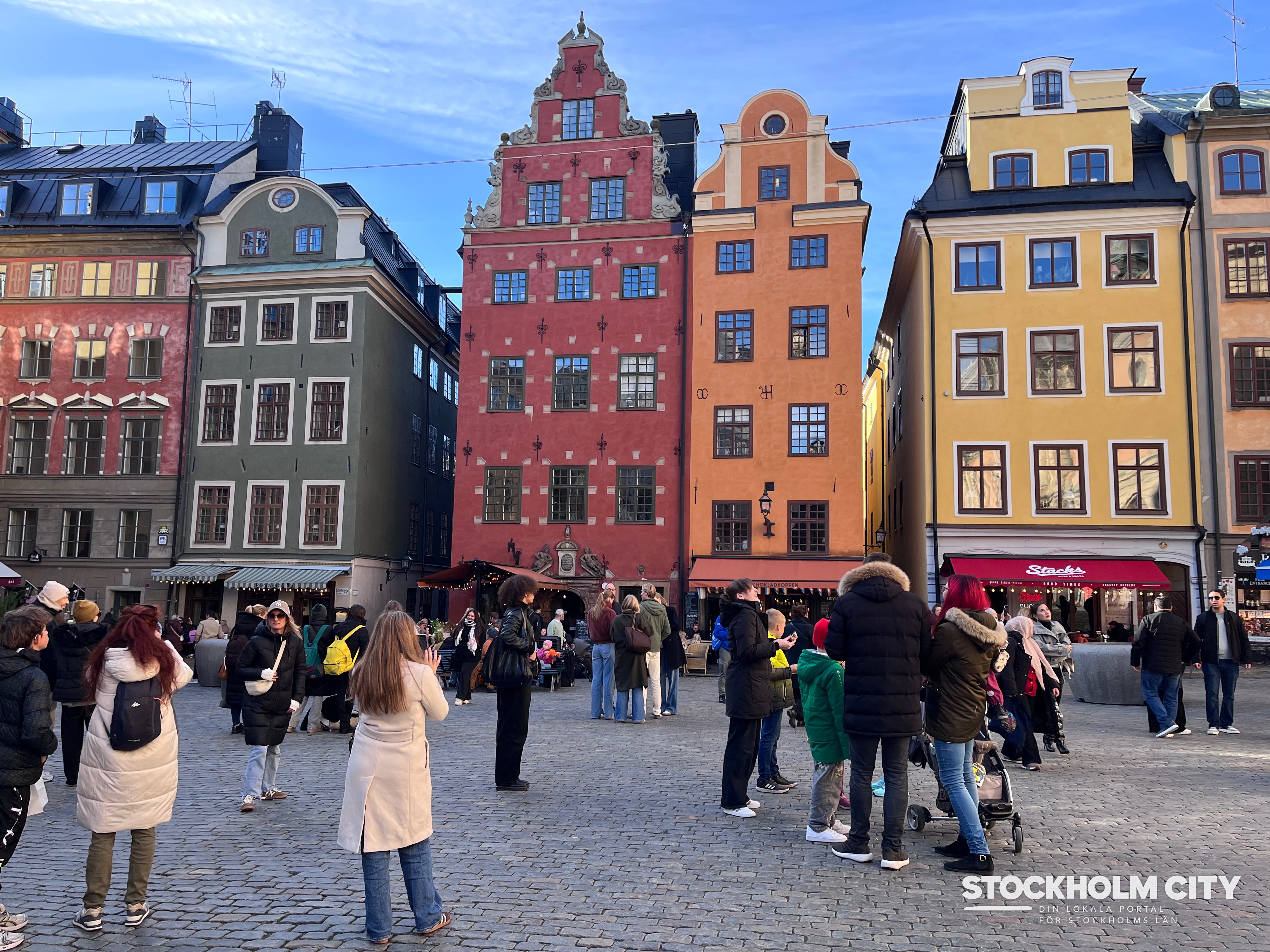 GUIDE · EN
Five Places in Gamla Stan That Many Visitors Walk Past — Each with a Story of Its Own
Gamla Stan is one of Stockholm's most visited areas, but behind its famous squares and colourful façades are small places that are easy to miss. On a short walk, you can discover a much-talked-about miniature sculpture, an unusually narrow alley and streets where the city's medieval history is still visible.
Read the guide → GUIDE · EN
Buses in Stockholm — A Complete Guide to Routes, Stops, Night Buses and Travel Across the County
Buses are one of the most important parts of public transport in Stockholm County. Around 500 bus routes connect central Stockholm with suburbs, municipalities, residential areas and smaller towns. Some buses run at frequent intervals through the city, while others take passengers to commuter trains, the metro, archipelago piers and places far beyond the centre. This guide introduces the bus network, route numbers, major interchange points, tickets and how to plan a journey.
Read the guide →