
Five Places in Gamla Stan That Many Visitors Walk Past — Each with a Story of Its Own
Gamla Stan is one of Stockholm's most visited areas, but behind its famous squares and colourful façades are small places that are easy to miss. On a short walk, you can discover a much-talked-about miniature sculpture, an unusually narrow alley and streets where the city's medieval history is still visible.
Published 20 October 2026 · Updated 30 October 2026 · 4 min read
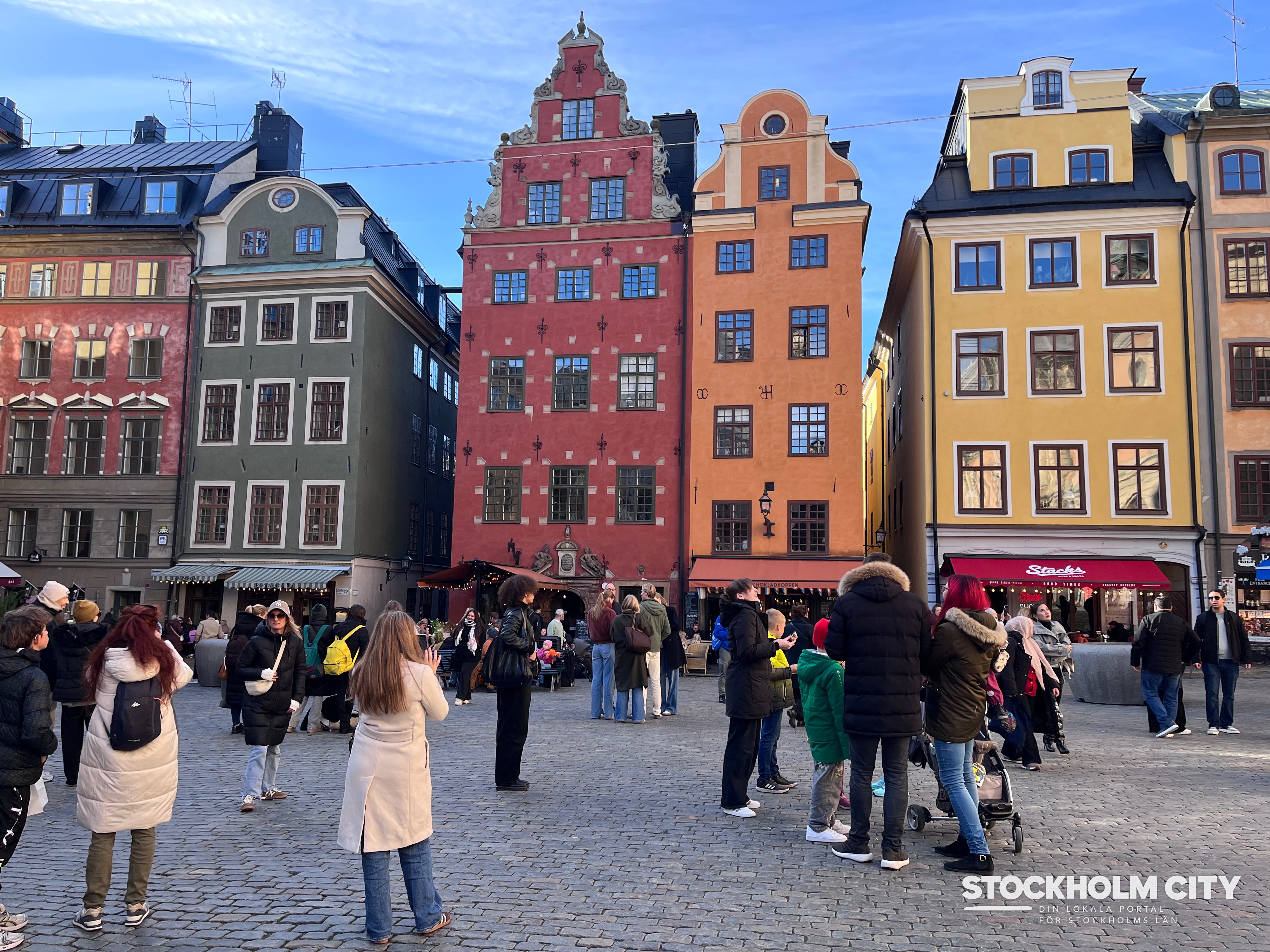
For many people, Gamla Stan means the Royal Palace, Stortorget and the busy streets lined with souvenir shops and cafés. But if you leave the busiest routes and look a little more closely, you can discover other sides of Stockholm's historic centre.
Here are five stops for anyone who wants to explore Gamla Stan at a slower pace — whether you live in Stockholm or are visiting the city for the first time.
1. The Iron Boy — the Little Statue That Looks Up at the Moon
In Bollhustäppan, close to the Royal Palace and the Finnish Church, stands the sculpture known as Järnpojken, or "The Iron Boy". It is also called "Boy Looking at the Moon". The small figure was created by artist Liss Eriksson and unveiled in 1967.
The sculpture is only about 15 centimetres high and is easy to miss if you do not know where to look. It depicts a seated boy gazing upwards.
Despite its size, it has become a well-known feature of Gamla Stan. Many visitors stop to leave a small coin or take a photograph, and the spot feels very different from the busy tourist routes around the palace.
Address: Bollhustäppan, Gamla Stan.
2. Mårten Trotzig's Alley — Stockholm's Narrowest Alley
Mårten Trotzigs gränd is one of the most distinctive passageways in Gamla Stan. Its steps run between building walls that come very close together at the narrowest points.
The alley is about 90 centimetres wide at its narrowest point and has 36 steps. It connects Västerlånggatan with Prästgatan and offers a clear example of how the old urban environment differs from today's wider streets.
The name comes from the merchant Mårten Trotzig, who lived in Stockholm in the late 16th and early 17th centuries.
It is worth stopping to look both upwards at the façades and down at the worn steps. Just remember that the passage is narrow and many other visitors may be trying to get through at the same time.
Address: Mårten Trotzigs gränd, Gamla Stan.
3. Prästgatan — a Quieter Side of Gamla Stan
Just a short walk from the busiest streets is Prästgatan. Here you will find old façades, cobblestones and narrow passages that create a different atmosphere.
The street is especially interesting if you want to experience the historic townscape without constantly being in the middle of the tourist crowds.
Look at the doorways, façade details and the changing width of the street. Gamla Stan developed over several centuries, and this is reflected in the way the buildings stand close together and the streets follow the older town plan.
Prästgatan makes a good stop between Mårten Trotzigs gränd and Stortorget.
Address: Prästgatan, Gamla Stan.
4. Stortorget — More Than Colourful Houses
Stortorget is one of Stockholm's best-known squares and a natural meeting point for visitors to Gamla Stan. Its colourful façades make it one of the city's most photographed views.
But the square also has a darker history. In November 1520, the Stockholm Bloodbath took place in connection with Christian II's seizure of power. A large number of people from Sweden's political and religious elite were executed after the coronation celebrations.
Today, the square is a lively place with cafés, restaurants and visitors from around the world. The contrast between its present-day atmosphere and the historical events makes it a particularly interesting stop.
Take time to study the buildings around the square rather than simply photographing the familiar view.
Address: Stortorget, Gamla Stan.
5. The German Church — a Trace of Stockholm's International History
Tyska kyrkan, or the German Church, also known as St Gertrude's Church, is located in the heart of Gamla Stan. The church is closely connected with the German congregation that developed in Stockholm during the Middle Ages.
German merchants played an important role in the city's trade and development. The church is therefore also a reminder of Stockholm's long-standing connections with other parts of Europe.
Its tall tower is a distinctive feature of the cityscape, but the narrow surrounding streets and old houses are also worth a closer look.
Check the church's current opening hours if you want to go inside. Access may vary depending on services and other activities.
Address: Svartmangatan 16, Gamla Stan.
Walking Route
Start at the Iron Boy in Bollhustäppan. Continue to Stortorget and the German Church, then make your way along Prästgatan towards Mårten Trotzigs gränd.
You can also walk the route in the opposite direction, depending on where you start. Allow approximately 45–90 minutes if you want time to take photographs, read information and make short stops along the way. The walk itself is relatively short, but cobblestones and steps make comfortable shoes a good idea.
A Short Excursion in the Heart of Stockholm
You do not need a guided tour or a packed day programme to experience Gamla Stan. Sometimes it is enough to choose a few places, take a different street from the usual route and pay attention to the details around you.
For anyone exploring Stockholm on foot, this route is an easy way to combine history, architecture and photography in one outing.
Sources and background: Stockholmskällan — historical places in Gamla Stan: stockholmskallan.stockholm.se; Medeltidsmuseet and Samfundet S:t Erik — the history of Gamla Stan: samfundetsterik.se
More Visit Stockholm guides
 GUIDE · EN
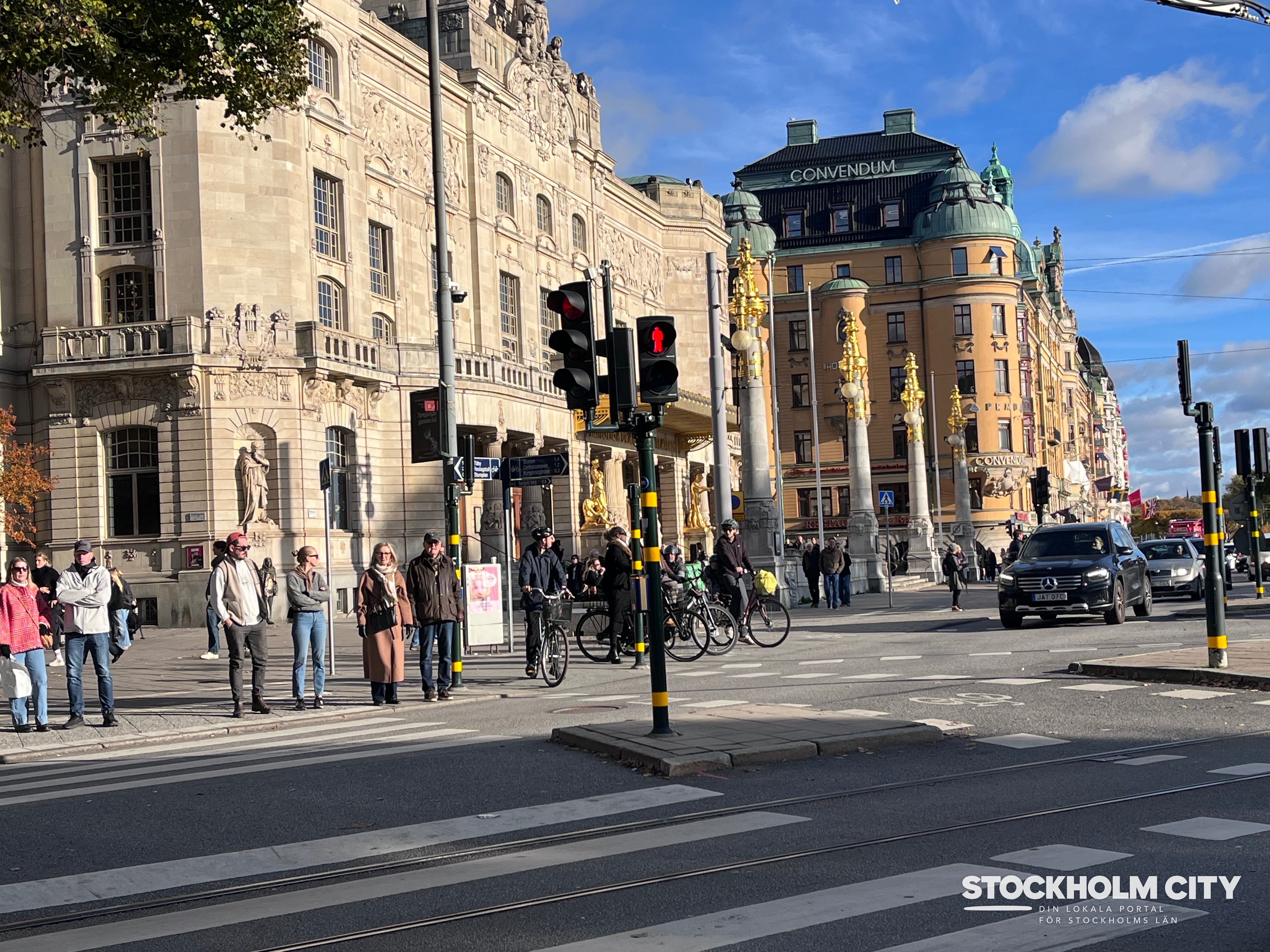
Stockholm in 2 Days – The Perfect Weekend Itinerary
Planning a weekend in Stockholm? Two days are enough to discover many of the Swedish capital’s highlights. This practical itinerary takes you from the historic streets of Gamla Stan to the green island of Djurgården, with famous museums, beautiful viewpoints, Swedish food and scenic waterfront walks along the way.
Read the guide →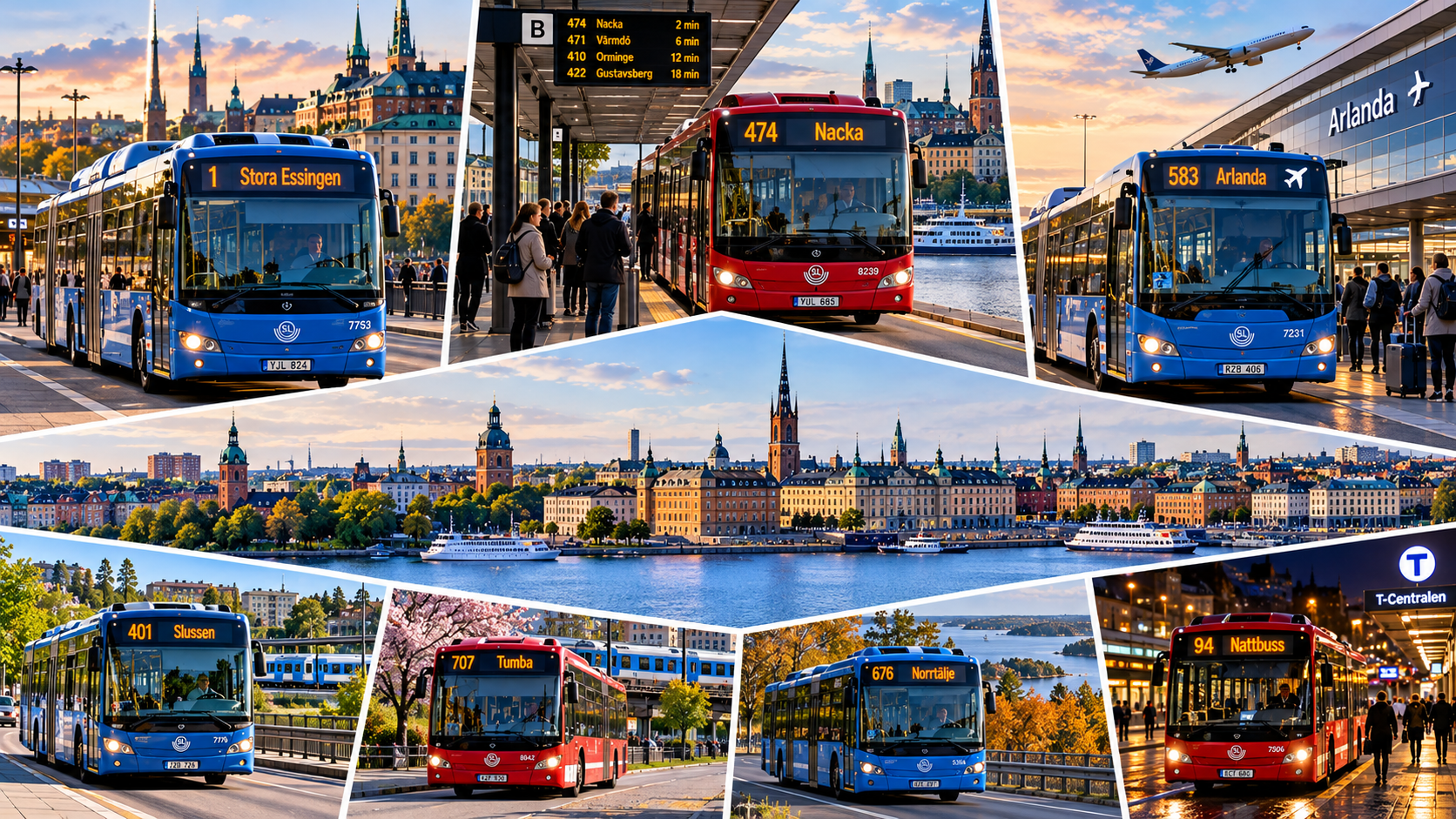 GUIDE · EN
Buses in Stockholm — A Complete Guide to Routes, Stops, Night Buses and Travel Across the County
Buses are one of the most important parts of public transport in Stockholm County. Around 500 bus routes connect central Stockholm with suburbs, municipalities, residential areas and smaller towns. Some buses run at frequent intervals through the city, while others take passengers to commuter trains, the metro, archipelago piers and places far beyond the centre. This guide introduces the bus network, route numbers, major interchange points, tickets and how to plan a journey.
Read the guide →