
Moving to Stockholm in 2027: A Practical Guide for Newcomers
Moving to Stockholm can be an exciting opportunity, but starting a new life in Sweden involves more than booking a flight and finding somewhere to live. Newcomers need to understand residence requirements, population registration, housing, banking, healthcare, employment and local services. This practical guide explains the main steps to take before and after arriving in Stockholm in 2027, with links to official Swedish authorities and useful resources.
Published 14 November 2026 · Updated 14 November 2026 · 7 min read

Moving to Stockholm in 2027: What You Need to Know
Stockholm is one of Northern Europe’s major urban centres, offering employment opportunities, universities, public transport and access to nature. The region also includes 26 municipalities, each with its own local services and character.
For newcomers, however, the first months can be complicated. Different authorities handle different parts of everyday life, and the correct procedure depends on your citizenship, residence status, employment and family situation.
Here is a practical starting point.
1. Check your right to live and work in Sweden
Before moving, establish which immigration rules apply to you.
EU/EEA citizens
EU/EEA citizens generally have the right to live and work in Sweden under EU free movement rules. This right is subject to conditions, such as working, studying or having sufficient resources and comprehensive health insurance.
Non-EU/EEA citizens
If you are a citizen of a country outside the EU/EEA, you will generally need an appropriate Swedish residence permit to live in Sweden. The requirements depend on whether you are moving for work, studies, family reunification or another reason.
Do not assume that a visitor visa or a short-term right to stay gives you permission to work.
Official information:
- Swedish Migration Agency: https://www.migrationsverket.se/en.html
- Swedish Tax Agency: https://www.skatteverket.se/
2. Register your move with Skatteverket
One of the most important administrative steps is population registration, known in Swedish as folkbokföring.
If you move to Sweden and intend to live here for at least one year, you will generally need to notify the Swedish Tax Agency (Skatteverket).
If your registration is approved, you receive a Swedish personal identity number (personnummer).
This number is used in many everyday situations, including contact with authorities, healthcare providers and financial institutions.
Important points:
- Use the official Moving to Sweden service.
- Prepare your passport and relevant residence documents.
- Provide your actual residential address.
- Family members moving with you generally need separate notifications.
- You may need to attend an identity check in person.
If you intend to stay for less than one year, different rules may apply, including the possibility of a coordination number (samordningsnummer) instead.
Official guide:
https://www.skatteverket.se/movingtosweden
The service is available in English and several other languages, including Ukrainian.
3. Find somewhere to live
Housing is one of the biggest challenges for people moving to Stockholm.
There are several ways to find accommodation.
First-hand rental contracts
A first-hand rental contract (förstahandskontrakt) is an agreement directly with a property owner or housing company.
In Stockholm, municipal housing queues are operated through Bostadsförmedlingen. Waiting times vary considerably depending on the area, property and demand.
Official website:
https://bostad.stockholm.se/
Second-hand rentals
A second-hand rental (andrahandskontrakt) is an arrangement where you rent from someone who already has a rental contract or owns the property.
Before paying anything:
- Verify the landlord’s identity.
- Ask for a written rental agreement.
- Confirm that the landlord has permission to sublet when required.
- Visit the property or arrange a reliable viewing.
- Never transfer a deposit before verifying the arrangement.
Look beyond central Stockholm
You may find more housing options in surrounding municipalities, including Haninge, Huddinge, Botkyrka, Nacka, Järfälla and Södertälje.
Compare rent, commuting time, transport connections and access to schools before choosing an area.
4. Open a bank account and get digital identification
A Swedish bank account makes everyday life easier. It is commonly used for salary payments, bills and other financial transactions.
Banks have their own identity and customer due-diligence requirements. They may ask for:
- Valid identification.
- Proof of your address.
- Your Swedish personal identity number, if available.
- Information about employment, income and the purpose of the account.
What is BankID?
BankID is Sweden’s widely used electronic identification system. It allows people to identify themselves online, sign documents and access many public and private services.
A Swedish personal identity number and a bank relationship are commonly part of the process, but the exact requirements depend on the bank.
Do not assume that receiving a personnummer automatically gives you BankID.
Official information:
https://www.bankid.com/
5. Understand healthcare in Sweden
Healthcare in Sweden is organised through regional healthcare authorities.
Stockholm County’s healthcare system is managed by Region Stockholm.
A vårdcentral is a primary healthcare centre and is usually the first point of contact for non-emergency medical problems.
You can use healthcare services for:
- General medical consultations.
- Common illnesses and infections.
- Referrals to specialist care when needed.
- Preventive healthcare and certain routine checks.
The 1177 service provides healthcare information and guidance.
Website:
https://www.1177.se/en/
For urgent emergencies requiring immediate assistance, call 112.
Your access to publicly funded healthcare and the applicable patient fees depend on your residence and insurance status. EU/EEA visitors and residents may have different entitlements depending on their circumstances.
6. Find a job in Stockholm
Stockholm has employment opportunities in several sectors, including technology, healthcare, construction, transport, logistics, hospitality and professional services.
A useful starting point is Arbetsförmedlingen, the Swedish Public Employment Service.
Its services include:
- Job vacancies.
- Employment information.
- Career guidance.
- Information about training and labour-market programmes.
Official website:
https://arbetsformedlingen.se/other-languages/english-engelska/
You can also search for vacancies through:
- https://se.indeed.com/
- https://www.linkedin.com/jobs/
- https://www.jobbsafari.se/
Do you need to speak Swedish?
Not every job requires fluent Swedish. Some international companies and specialised workplaces use English as their working language.
However, Swedish is important in many occupations and can significantly improve your employment opportunities.
Consider starting Swedish lessons as soon as possible.
7. Learn Swedish and understand local services
Learning Swedish helps with employment, communication, everyday administration and integration.
If you are eligible, you may be able to study Swedish for Immigrants (SFI) through your municipality.
SFI is designed for adults who need to learn basic Swedish.
The municipality where you live can provide information about:
- SFI courses.
- Language schools.
- Adult education.
- Introduction programmes and other support.
For general information about learning Swedish:
https://www.informationsverige.se/en/
8. Moving with children: Schools and childcare
Families moving to Stockholm need to arrange childcare and education.
In Sweden, compulsory school normally begins in the year a child turns six, with preschool class (förskoleklass) followed by compulsory schooling.
Municipalities are responsible for important parts of the local school system.
If you move with children:
- Contact your municipality about school placement.
- Ask about preschool (förskola) if you have younger children.
- Prepare previous school records where available.
- Ask about language support for children who are new to Swedish.
Stockholm County has several municipalities, and school application procedures can differ between them.
9. Understand public transport
Stockholm’s public transport network is operated by SL and connects the city centre with surrounding municipalities.
The network includes:
- Metro (Tunnelbana).
- Buses.
- Commuter trains (Pendeltåg).
- Trams.
- Certain local and regional ferry services.
Before choosing where to live, check how long it takes to travel from your potential home to work, school and important services.
Official website:
https://sl.se/en/
For more information, see our guide:
Stockholm Public Transport Guide: Tickets, Prices, Metro, Buses and Ferries.
10. Explore the municipalities around Stockholm
Stockholm is more than its city centre.
The wider county includes 26 municipalities, offering different housing options, commuting possibilities and lifestyles.
Some areas worth exploring include:
- Haninge: Residential areas, access to nature and connections to central Stockholm.
- Huddinge: Housing, education, local services and transport connections.
- Nacka: Residential neighbourhoods, waterfront areas and access to the city.
- Botkyrka: Diverse communities and connections to southern Stockholm.
- Södertälje: A separate urban centre with its own labour market and services.
- Solna and Sundbyberg: Close to central Stockholm, with extensive public transport connections.
Your choice of municipality can affect commuting, school arrangements, local services and housing costs.
Your first-month checklist
Use this checklist to organise the first steps after arriving.
- Confirm your right to live and work in Sweden.
- Arrange suitable accommodation.
- Notify Skatteverket if you meet the population registration requirements.
- Complete any required identity check.
- Arrange banking and investigate BankID eligibility.
- Find out how healthcare access works in your situation.
- Register children with the appropriate school or preschool.
- Start looking for employment.
- Contact your municipality about Swedish lessons and local services.
- Learn how to use SL public transport.
Useful official links
Service Website
Residence permits migrationsverket.se
Population registration skatteverket.se
Housing queue in Stockholm bostad.stockholm.se
Healthcare information 1177.se
Employment services arbetsformedlingen.se
Swedish language information informationsverige.se
Public transport sl.se
Social insurance forsakringskassan.se
Digital identification bankid.com
Final thoughts
Moving to Stockholm is a major step, and the first months can involve a lot of paperwork and practical decisions.
The most important thing is to understand which rules apply to your individual situation and use official information when dealing with Swedish authorities.
Start with your residence status, housing and population registration. Then organise employment, healthcare, education and everyday services.
With the right preparation, settling into Stockholm can become much easier.
More Visit Stockholm guides
 GUIDE · EN
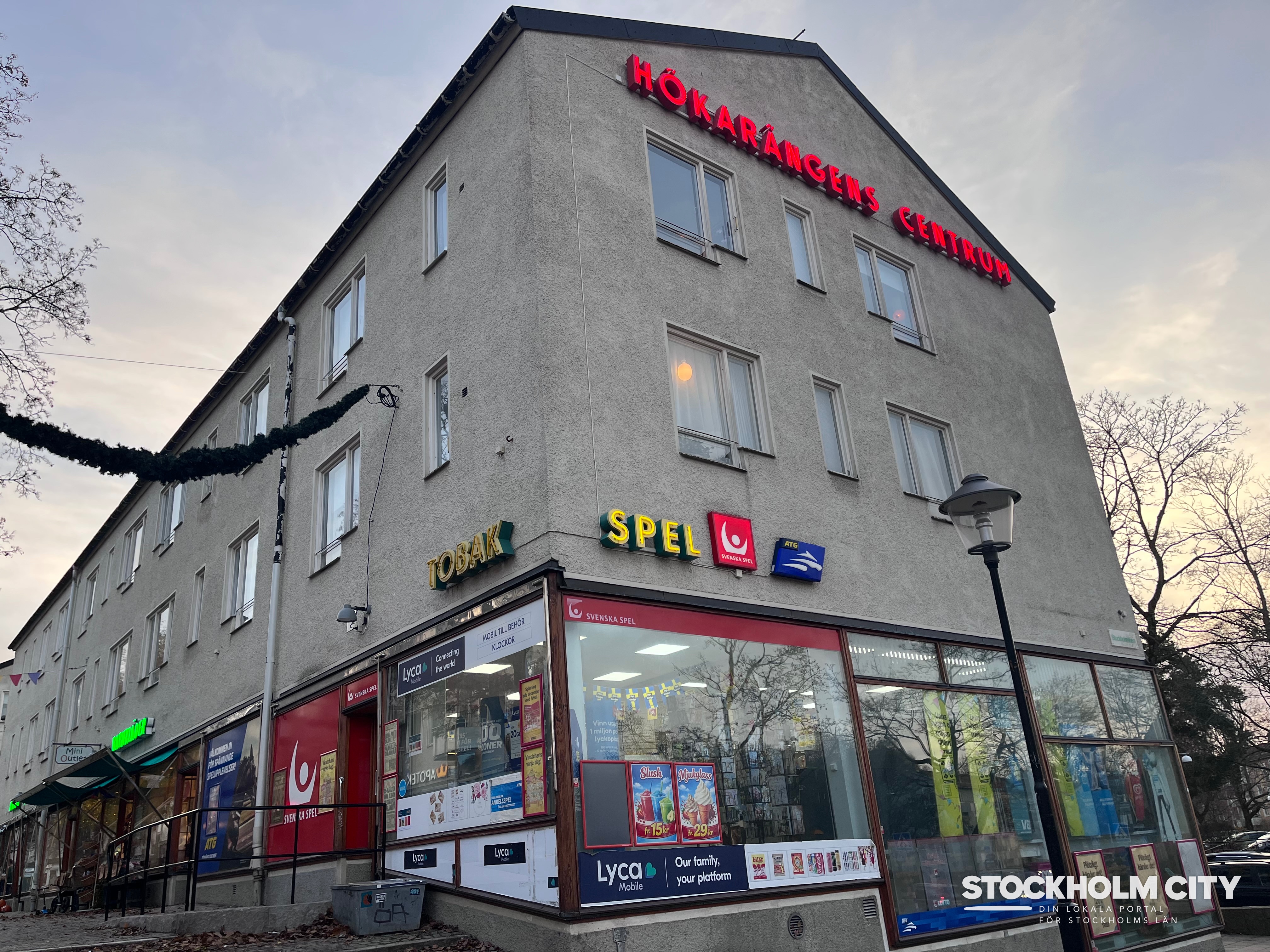
Shopping in Hökarängen, Stockholm: MatDax, Local Shops, Food and Everyday Finds
Hökarängen is not a large shopping mall, but its local centre has its own character and a useful selection of shops and services. One of its main attractions is MatDax, a grocery store known for its competitive prices, changing weekly offers and varied selection of everyday food products. Visitors can also explore specialty food shops, independent retailers, bakeries and places to eat. For people living in southern Stockholm, Hökarängen offers an opportunity to shop locally while discovering a neighbourhood with a distinctive history and atmosphere.
Read the guide →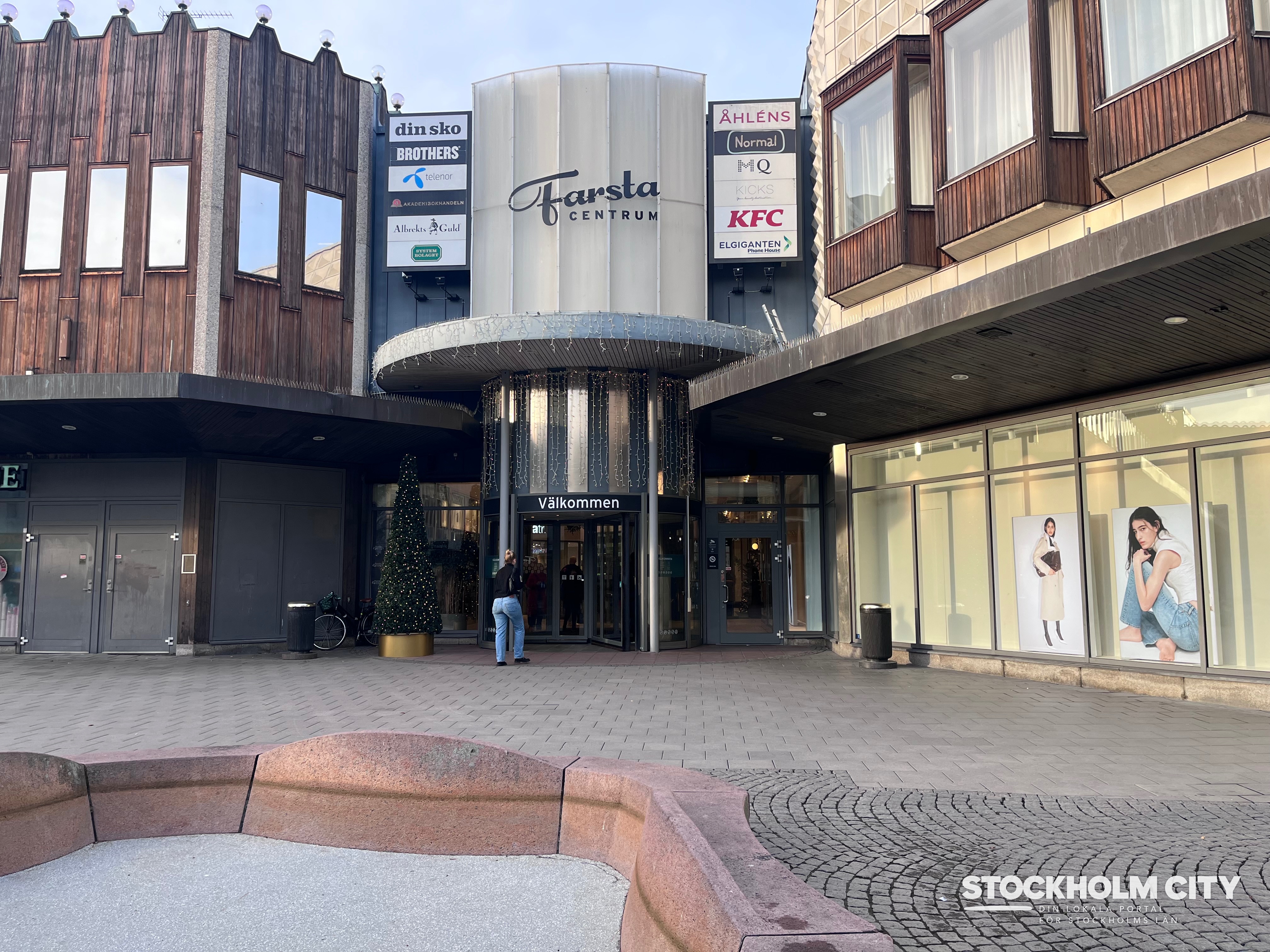 GUIDE · EN
Shopping in Farsta Centrum, Stockholm: Stores, Fashion, Food and Visitor Guide
Farsta Centrum is one of the established shopping destinations in southern Stockholm. Located next to Farsta Centrum metro station, the indoor shopping centre combines fashion, beauty, electronics, home furnishings, groceries and everyday services. With around 150 shops, cafés and restaurants, it offers an alternative to travelling into central Stockholm for everyday shopping. Whether you need new clothes, groceries, a gift or simply somewhere to have lunch, Farsta Centrum has plenty of options to explore.
Read the guide → GUIDE · EN
Driving in Stockholm: The Complete Guide to Traffic Rules, Parking, Congestion Charges and Winter Driving
Driving in Stockholm can be convenient, but the city’s traffic system has several rules that may surprise visitors and newcomers. Congestion charges apply when entering central Stockholm and using parts of the E4, parking fees vary by area and time, and special environmental regulations may restrict certain vehicles. Winter driving also requires preparation, particularly when temperatures drop and roads become icy. This guide explains the essential rules, costs and practical details you should know before driving in Stockholm.
Read the guide → GUIDE · EN
Cost of Living in Stockholm in 2027: How Much Money Do You Really Need?
Stockholm offers excellent career opportunities, education and quality of life, but living in the Swedish capital can be expensive. Rent, groceries, transport and everyday services can quickly add up, especially for newcomers who are not familiar with Swedish prices. This guide explains the main costs of living in Stockholm, using the latest available 2026 statistics and official household estimates as a starting point for planning your 2027 budget.
Read the guide →