
Driving in Stockholm: The Complete Guide to Traffic Rules, Parking, Congestion Charges and Winter Driving
Driving in Stockholm can be convenient, but the city’s traffic system has several rules that may surprise visitors and newcomers. Congestion charges apply when entering central Stockholm and using parts of the E4, parking fees vary by area and time, and special environmental regulations may restrict certain vehicles. Winter driving also requires preparation, particularly when temperatures drop and roads become icy. This guide explains the essential rules, costs and practical details you should know before driving in Stockholm.
Published 15 November 2026 · Updated 15 November 2026 · 9 min read
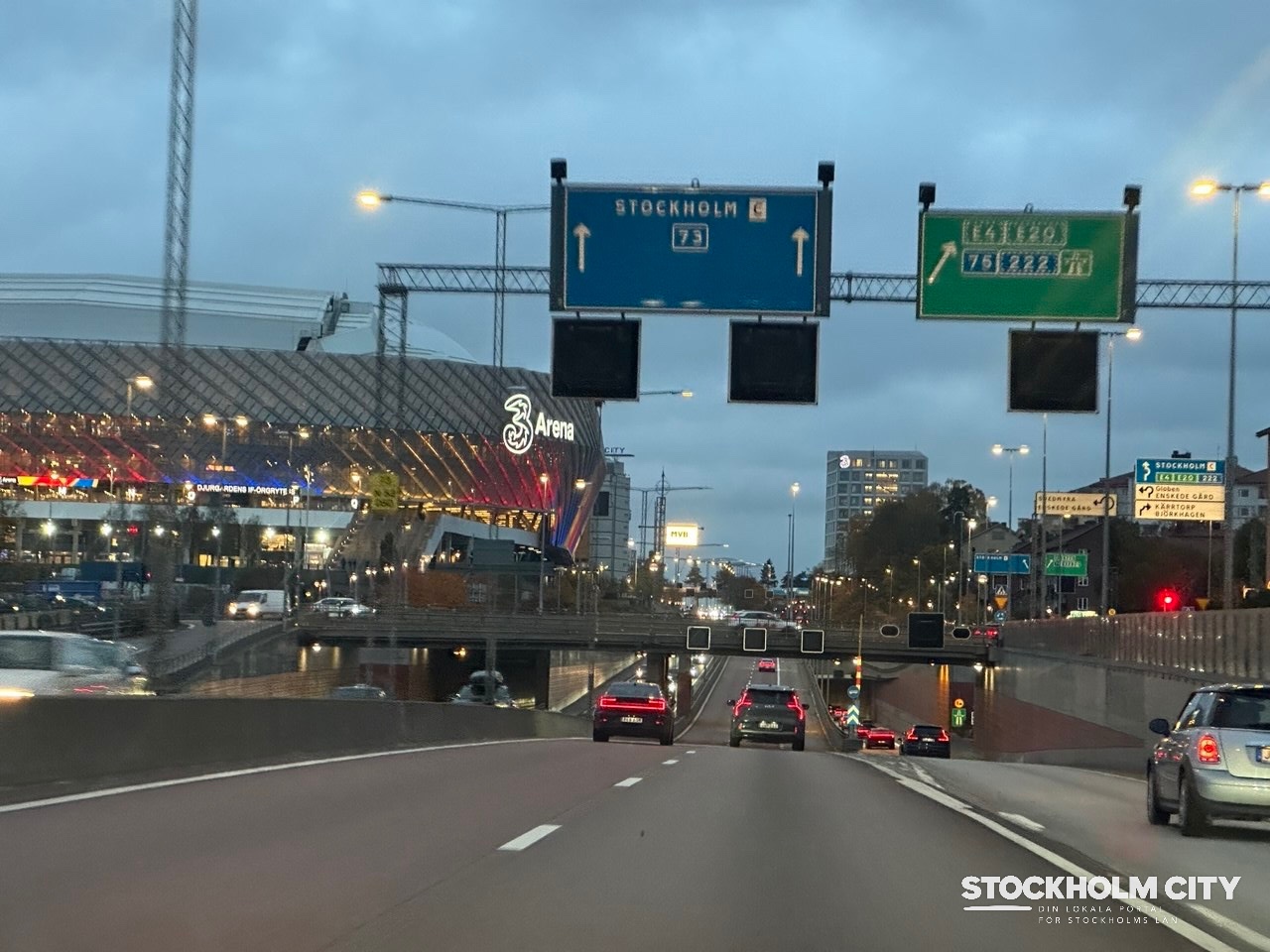
1. Driving in Stockholm: What should you know?
Stockholm is a relatively easy city to navigate by car once you understand its traffic regulations. However, driving in the city centre can be more complicated than in many other European cities.
Narrow streets, one-way systems, bus lanes, bicycle infrastructure, parking restrictions and congestion tax all affect how you should plan your journey.
Before driving into central Stockholm, remember these basic points:
- Follow road signs and local speed limits.
- Check whether your route passes a congestion tax control point.
- Always check parking signs before leaving your vehicle.
- Pay attention to bus lanes and bicycle crossings.
- Check current roadworks and traffic disruptions before travelling.
The most important rule is not to assume that the same parking or traffic regulations apply throughout the city. Conditions can change from one street to another.
2. Congestion tax in Stockholm: How much does it cost?
One of the most important costs for drivers is the Stockholm congestion tax, known in Swedish as trängselskatt.
The tax is charged automatically when a vehicle passes designated control points entering or leaving central Stockholm or travelling on Essingeleden.
There is no need to stop at a toll booth. Cameras register the vehicle’s registration number, and the charge is subsequently handled through the Swedish Transport Agency.
Stockholm congestion tax rates
The amount depends on the time of day and whether it is peak or off-peak season.
The peak season runs from 1 March until the day before Midsummer Eve and from 15 August until 30 November.
The off-peak season applies during the rest of the year.
Central Stockholm – peak season:
Time Charge
06:00–06:29 SEK 15
06:30–06:59 SEK 30
07:00–08:29 SEK 45
08:30–08:59 SEK 30
09:00–09:29 SEK 20
09:30–14:59 SEK 11
15:00–15:29 SEK 20
15:30–15:59 SEK 30
16:00–17:29 SEK 45
17:30–17:59 SEK 30
18:00–18:29 SEK 20
The maximum daily charge is SEK 135 per vehicle during peak season and SEK 105 during off-peak season.
The charges on Essingeleden are calculated separately according to its own tariff schedule.
Congestion tax is generally not charged on weekends, public holidays, certain days before public holidays or during July, with exceptions for the first five weekdays of July.
Official information:
https://www.transportstyrelsen.se/en/road/vehicles/taxes-and-fees/road-tolls/congestion-taxes-in-stockholm-and-gothenburg/congestion-tax-in-stockholm/hours-and-amounts-in-stockholm/
3. Parking in Stockholm: Zones, prices and restrictions
Parking is one of the most common challenges for drivers visiting Stockholm.
The City of Stockholm uses several parking tariff zones. The price depends on the location, time, vehicle type and applicable parking regulations.
The city has five main tariff zones for ordinary visitor parking.
Parking prices in different areas
Tariff zone 1 – Central Stockholm
The central area has the highest visitor parking fee.
- SEK 55 per hour, 24 hours a day.
Tariff zone 2
Includes parts of central Stockholm, Gamla stan and surrounding areas.
- SEK 31 per hour during designated daytime periods.
- SEK 20 per hour at other times.
Tariff zone 3
Includes areas such as Södermalm, Vasastan, Östermalm, Kungsholmen and Hammarby Sjöstad.
- SEK 20 per hour on weekdays during 07:00–19:00.
- SEK 15 per hour on Saturdays and weekdays before public holidays during 11:00–17:00.
- Free at other times under the standard visitor tariff.
Tariff zone 4
Includes areas such as Årsta, Enskede, Traneberg and Midsommarkransen.
- SEK 10 per hour during designated daytime periods.
- Free at other times under the standard visitor tariff.
Tariff zone 5
Includes selected outer districts, including Vällingby, Älvsjö, Fruängen and parts of southern Stockholm.
- SEK 5 per hour on weekdays during 07:00–19:00.
- Free at other times under the standard visitor tariff.
These are standard visitor tariffs. Special spaces, local restrictions and temporary parking rules may differ.
Important parking rules
Always read the signs at the exact parking location.
Pay particular attention to:
- Maximum permitted parking time.
- Days and hours when parking fees apply.
- Street cleaning restrictions.
- Resident parking areas.
- Temporary restrictions for construction or maintenance.
- Reserved spaces for deliveries, taxis or disabled parking permits.
A common mistake is to assume that parking is free because a fee period has ended. Other restrictions may still apply.
Official parking information:
https://parkering.stockholm/en/paying-to-park/tariff-zones-and-fees/
4. Environmental zones: Which cars can drive in central Stockholm?
Sweden has environmental zones designed to reduce air pollution and emissions from road traffic.
Stockholm has been working on plans to introduce an environmental zone class 3 in part of the city centre.
The proposed restrictions are particularly strict.
For passenger cars, light trucks and light buses, the permitted vehicle types under class 3 would generally include:
- Fully electric vehicles.
- Gas-powered vehicles meeting Euro 6 emissions requirements.
- Fuel-cell vehicles.
Plug-in hybrid passenger cars would not be permitted under the class 3 rules.
However, there is an important legal development.
On 19 May 2026, the County Administrative Board of Stockholm overturned the city’s decision to introduce environmental zone class 3 in the proposed area.
The City of Stockholm disagreed and appealed the decision to the Swedish Transport Agency, which is the final authority handling the matter.
This means that the proposed class 3 zone should not be treated as an active restriction simply because it appears in earlier plans. Drivers should check the latest official decision before travelling.
Official information:
https://trafik.stockholm/trafikregler/miljozoner/miljozon-klass-3/
5. Driving licences: Can foreign drivers drive in Sweden?
Many visitors and newcomers use driving licences issued in other countries.
The rules depend on where the licence was issued and whether the driver is registered as a resident in Sweden.
Licences issued in the EEA
Driving licences issued in an EEA country are generally valid in Sweden as long as they remain valid in the country of issue and have not been exchanged for a Swedish licence.
This also applies when the licence holder is registered as a resident in Sweden.
Licences issued outside the EEA
For licences issued outside the EEA, different rules apply.
Generally, the licence must:
- Be valid in the country where it was issued.
- Not have been exchanged for a Swedish licence.
- Meet the applicable international requirements.
A licence issued outside the EEA is generally no longer valid for driving in Sweden after the holder has been registered as a resident for more than one year.
There are exceptions, including licences issued in the United Kingdom and the Faroe Islands.
Some countries’ licences cannot be exchanged for Swedish licences. The Swedish Transport Agency provides the official country-specific rules.
Drivers should check their individual circumstances before relying on a foreign licence.
Official information:
https://www.transportstyrelsen.se/en/road/Driving-licences/i-have-a-driving-licence/
6. Winter driving in Stockholm: Tyres and icy roads
Winter driving is particularly important in Stockholm and the surrounding region.
Temperatures can change quickly, and roads may become slippery even when the weather appears relatively mild.
Swedish law requires winter tyres for certain vehicles between 1 December and 31 March when winter road conditions prevail.
Winter road conditions include:
- Snow.
- Ice.
- Snow slush.
- Frost on any part of the road.
The rules also apply to foreign-registered vehicles driving in Sweden.
For ordinary passenger cars, winter tyres must have a minimum tread depth of 3 millimetres during the applicable period.
Studded winter tyres are permitted from 1 October to 15 April. They may also be used outside this period if winter road conditions exist or are expected.
Non-studded winter tyres must carry the approved alpine snowflake marking to qualify under the current requirements.
Practical winter driving advice
Before winter arrives:
- Check the condition and tread depth of your tyres.
- Make sure your windscreen washer fluid is suitable for freezing temperatures.
- Check your battery and lighting.
- Keep an ice scraper and snow brush in the vehicle.
- Increase the distance to the vehicle in front.
- Avoid sudden braking and sharp steering movements.
Even experienced drivers should adapt their speed to the road conditions.
Official information:
https://www.transportstyrelsen.se/en/road/vehicles/winter-tyres/
7. Traffic information and roadworks
Traffic conditions in Stockholm can change quickly.
Major roads such as E4, E18, Essingeleden and routes leading into the city centre may experience congestion, accidents, roadworks and temporary closures.
Before starting your journey, check:
Trafiken.nu Stockholm
https://trafiken.nu/stockholm/trafikinformation/
The service provides information about traffic disruptions, roadworks and public transport interruptions.
Trafikverket
https://www.trafikverket.se/
The Swedish Transport Administration provides information about road conditions, major infrastructure projects and traffic safety.
Checking traffic information before leaving can help you avoid delays and choose an alternative route.
8. Electric cars and charging in Stockholm
Stockholm has been expanding its public charging infrastructure as more residents and visitors switch to electric vehicles.
Drivers should plan charging stops before entering unfamiliar areas, particularly if they are staying overnight or travelling longer distances.
When choosing a charging station, check:
- Charging power and connector type.
- Whether the station is publicly accessible.
- Price per kWh or charging session.
- Parking fees that may apply separately.
- Whether the charging space has a maximum permitted parking time.
Remember that a charging space is not necessarily free parking. Separate parking rules and fees may still apply.
For city information about electrification and transport infrastructure, consult the official Stockholm website:
https://start.stockholm/om-stockholms-stad/sa-arbetar-staden/elektrifiering-av-transporter/
9. Common mistakes drivers make in Stockholm
Drivers unfamiliar with Swedish traffic regulations should be particularly careful about the following:
Ignoring parking signs
Parking rules may change between neighbouring streets. Always check the sign at the exact location.
Forgetting congestion tax
The charge is registered automatically. Drivers do not need to stop or pay at a toll booth.
Driving in bus lanes
Bus lanes are reserved for permitted traffic. Do not assume that they can be used to avoid congestion.
Entering restricted environmental zones without checking the rules
Environmental zone regulations can differ by vehicle category. Check the current legal status before entering a restricted area.
Using summer tyres in winter conditions
Winter tyre requirements apply from 1 December to 31 March when winter road conditions prevail.
Ignoring temporary parking restrictions
Street cleaning, construction and temporary traffic arrangements can make an otherwise legal parking space unavailable.
10. Emergency numbers and useful contacts
If you are involved in an accident or witness a serious emergency, call 112.
For non-emergency police matters, contact the Swedish Police on 114 14.
Useful official websites:
- Swedish Transport Agency: https://www.transportstyrelsen.se/
- Swedish Transport Administration: https://www.trafikverket.se/
- City of Stockholm parking: https://parkering.stockholm/
- Stockholm traffic information: https://trafiken.nu/stockholm/
- Swedish Police: https://polisen.se/
Before driving in Stockholm: Your checklist
Before setting off, make sure you have checked:
- Your driving licence is valid in Sweden.
- Your vehicle is properly registered and insured.
- You understand the congestion tax rules.
- You have checked parking fees and restrictions.
- Your vehicle is permitted in any environmental zone on your route.
- Your tyres meet Swedish seasonal requirements.
- You have checked current traffic information.
Final advice: Plan ahead and avoid unnecessary costs
Driving in Stockholm does not have to be complicated or expensive. Most problems arise when drivers are unfamiliar with congestion tax, parking regulations, environmental restrictions or winter driving requirements.
A little preparation can help you avoid unnecessary charges, parking fines and unexpected delays.
Whether you are visiting Stockholm for a weekend, commuting to work or living in the region, understanding the local rules makes driving safer and easier.
More Visit Stockholm guides
 GUIDE · EN
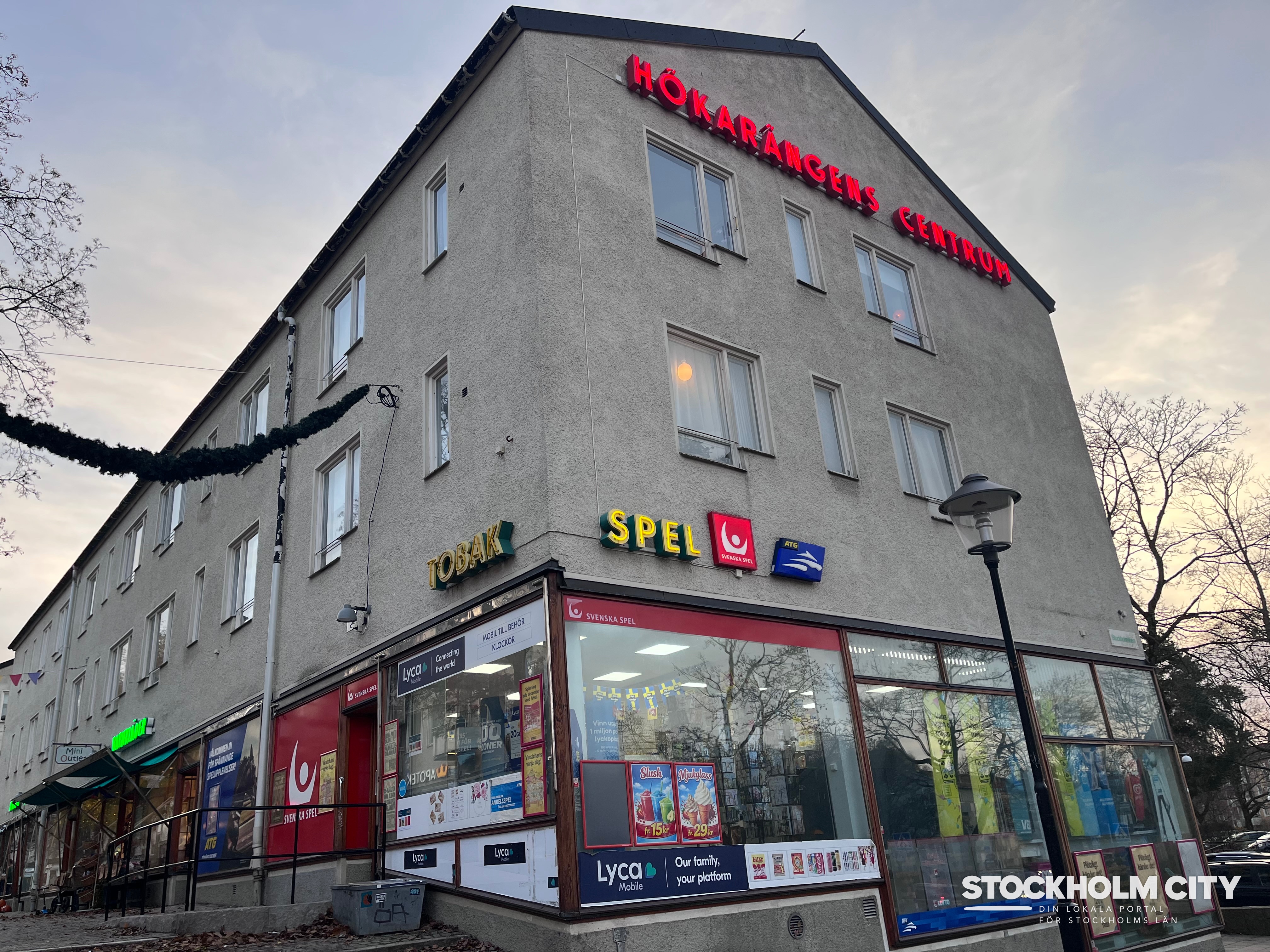
Shopping in Hökarängen, Stockholm: MatDax, Local Shops, Food and Everyday Finds
Hökarängen is not a large shopping mall, but its local centre has its own character and a useful selection of shops and services. One of its main attractions is MatDax, a grocery store known for its competitive prices, changing weekly offers and varied selection of everyday food products. Visitors can also explore specialty food shops, independent retailers, bakeries and places to eat. For people living in southern Stockholm, Hökarängen offers an opportunity to shop locally while discovering a neighbourhood with a distinctive history and atmosphere.
Read the guide →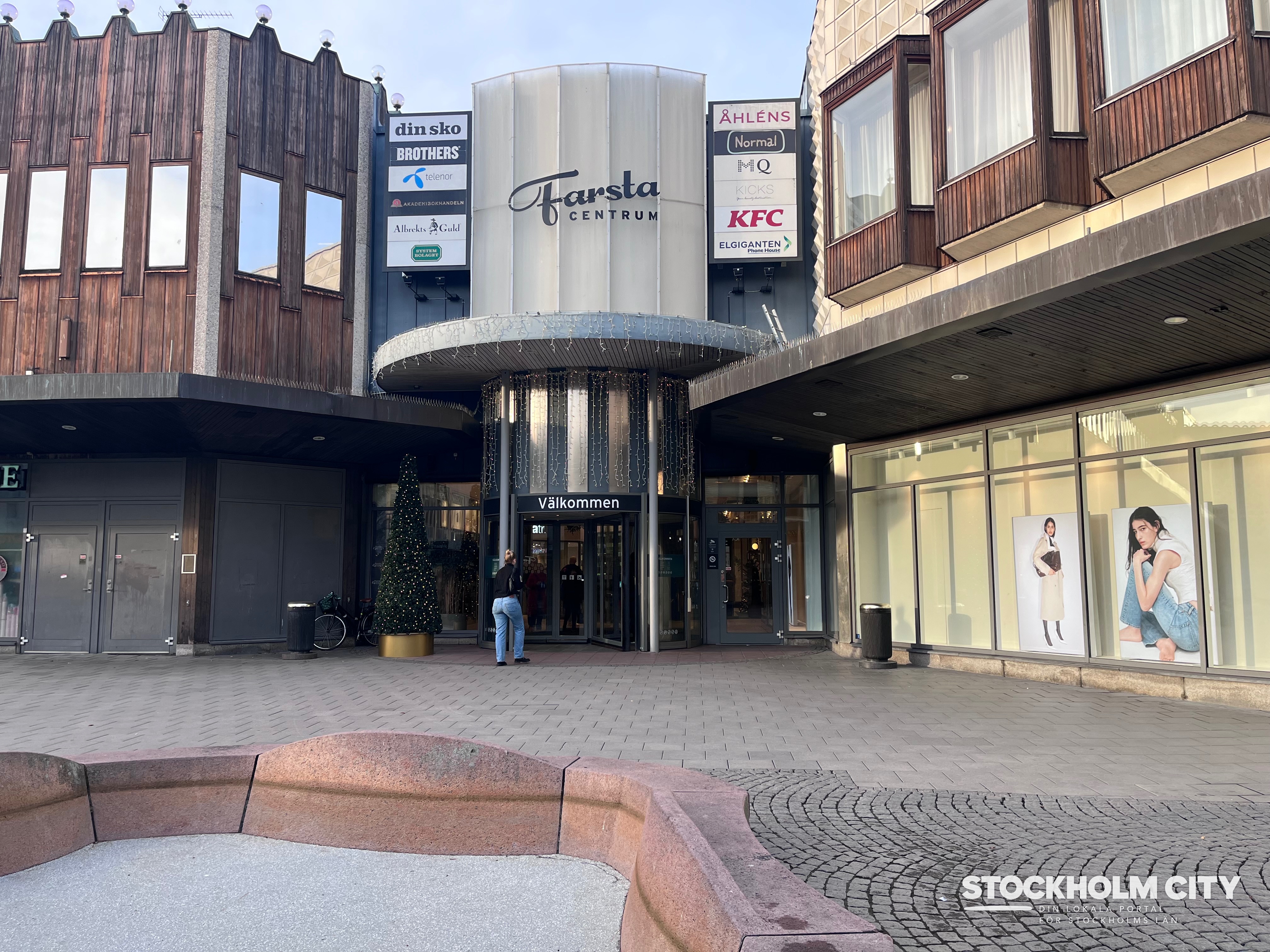 GUIDE · EN
Shopping in Farsta Centrum, Stockholm: Stores, Fashion, Food and Visitor Guide
Farsta Centrum is one of the established shopping destinations in southern Stockholm. Located next to Farsta Centrum metro station, the indoor shopping centre combines fashion, beauty, electronics, home furnishings, groceries and everyday services. With around 150 shops, cafés and restaurants, it offers an alternative to travelling into central Stockholm for everyday shopping. Whether you need new clothes, groceries, a gift or simply somewhere to have lunch, Farsta Centrum has plenty of options to explore.
Read the guide → GUIDE · EN
Cost of Living in Stockholm in 2027: How Much Money Do You Really Need?
Stockholm offers excellent career opportunities, education and quality of life, but living in the Swedish capital can be expensive. Rent, groceries, transport and everyday services can quickly add up, especially for newcomers who are not familiar with Swedish prices. This guide explains the main costs of living in Stockholm, using the latest available 2026 statistics and official household estimates as a starting point for planning your 2027 budget.
Read the guide → GUIDE · EN
Healthcare in Sweden for Foreigners: How to Find a Doctor, Book an Appointment and Use 1177
Understanding the Swedish healthcare system can be difficult when you have recently moved to Stockholm. Where should you go when you are sick? Do you need a personal identity number to see a doctor? How do you book an appointment, and what does healthcare cost? This practical guide explains how foreigners and newcomers can access healthcare in Sweden, including the role of 1177, healthcare centres, hospitals and emergency services.
Read the guide →