
Cost of Living in Stockholm in 2027: How Much Money Do You Really Need?
Stockholm offers excellent career opportunities, education and quality of life, but living in the Swedish capital can be expensive. Rent, groceries, transport and everyday services can quickly add up, especially for newcomers who are not familiar with Swedish prices. This guide explains the main costs of living in Stockholm, using the latest available 2026 statistics and official household estimates as a starting point for planning your 2027 budget.
Published 14 November 2026 · Updated 14 November 2026 · 7 min read

Cost of Living in Stockholm: How Much Money Do You Really Need?
Moving to Stockholm means planning more than just your rent. Everyday expenses such as food, transport, electricity, insurance, childcare and mobile subscriptions can have a significant impact on your monthly budget.
The amount you need depends on where you live, whether you share accommodation, how many people are in your household and whether you own a car.
There is no single budget that works for everyone. However, official statistics and household cost estimates provide a useful starting point.
Currency note: USD equivalents in this guide are approximate and calculated using an exchange rate of SEK 1 = USD 0.09994 on November 14, 2026. Actual exchange rates and bank fees may differ.
1. Housing: Your Biggest Monthly Expense
For most people living in Stockholm, accommodation is one of the largest expenses.
According to Statistics Sweden (SCB), the available 2026 rent figures include:
Apartment size Average monthly rent
1 room SEK 5,640 (approx. USD 564) nationally
2 rooms SEK 7,742 (approx. USD 774) nationally
3 rooms SEK 10,600 (approx. USD 1,059) in Greater Stockholm
4 or more rooms SEK 12,158 (approx. USD 1,215) nationally
These figures describe different geographical averages. The one-room, two-room and four-room figures are national averages, while the three-room figure is specifically for Greater Stockholm.
Actual rents vary depending on location, building age, apartment condition and rental contract.
Second-hand rentals can be considerably more expensive than ordinary first-hand contracts.
If you are looking for accommodation, compare several municipalities instead of focusing exclusively on central Stockholm.
Useful areas include:
- Haninge
- Huddinge
- Botkyrka
- Nacka
- Solna
- Sundbyberg
- Södertälje
Official source:
https://www.scb.se/en/finding-statistics/statistics-by-subject-area/housing-construction-and-building/housing-and-accommodation/rents-for-dwellings/
2. Food and Groceries
Food is another important part of the household budget.
The Swedish Consumer Agency (Konsumentverket) publishes annual reference calculations showing how much households may need for food and everyday essentials.
For 2026, the estimated monthly food costs for adults aged 25–50 were:
Household Monthly food budget
One adult SEK 2,730 (approx. USD 273)
Two adults SEK 5,460 (approx. USD 546)
These figures assume that meals are prepared at home.
For families, the cost increases depending on the number and ages of children.
For example, Konsumentverket estimates that a family with two adults and children aged 5 and 9 needs approximately SEK 8,440 (approx. USD 843) per month for food.
These are planning estimates, not measurements of what every household actually spends.
How to reduce grocery costs
- Compare prices between supermarkets.
- Look for weekly offers.
- Buy seasonal fruit and vegetables.
- Plan meals before shopping.
- Prepare lunches at home.
- Compare prices per kilogram rather than package price.
Discount supermarkets and supermarket loyalty programmes can also help reduce everyday expenses.
Official source:
https://www.konsumentverket.se/
3. Public Transport in Stockholm
Stockholm has an extensive public transport network operated by SL.
It includes:
- Metro (Tunnelbana).
- Buses.
- Commuter trains (Pendeltåg).
- Trams.
- Selected ferry services.
Transport costs depend on how frequently you travel and which ticket you choose.
Before moving, calculate the cost of travelling between your home, workplace and children’s schools.
For people living in Haninge, Huddinge, Botkyrka or Södertälje, commuter trains and buses can be an important part of everyday life.
Ticket prices can change, so check the current SL price list before making your 2027 budget.
Official website:
https://sl.se/en/
Our related guide:
Stockholm Public Transport Guide: Tickets, Prices, Metro, Buses and Ferries.
4. Electricity, Internet and Mobile Phone
Some rental apartments include heating and water in the monthly rent, while electricity and internet may be charged separately.
Before signing a rental agreement, check exactly what is included.
Typical household expenses can include:
- Household electricity.
- Electricity network charges, where applicable.
- Home internet.
- Mobile subscriptions.
- Home insurance.
The actual cost depends on apartment size, electricity consumption, provider and contract.
If you rent a second-hand apartment, ask the landlord to specify which services are included in the rent.
5. Healthcare and Insurance
Sweden has a publicly funded healthcare system, but patients may still pay fees for certain visits and services.
In Stockholm, patient fees depend on the type of healthcare and applicable exemptions.
There is a high-cost protection system for eligible outpatient healthcare.
You should also consider:
- Home insurance (hemförsäkring).
- Prescription medication.
- Dental care.
- Other private insurance, depending on your circumstances.
Healthcare access and fees can differ for newcomers depending on residence status and insurance arrangements.
Official healthcare information:
https://www.1177.se/en/
6. Childcare and Family Expenses
Families moving to Stockholm should include childcare and school-related costs in their budgets.
Swedish municipalities provide preschool (förskola) and after-school care (fritidshem).
Fees are generally income-based and subject to national maximum-fee rules (maxtaxa).
The actual amount depends on household income, the number of children and the applicable municipal rules.
Other family expenses may include:
- Children’s clothing and shoes.
- Sports and leisure activities.
- Transport to school and activities.
- School-related equipment.
- Personal care products.
Children’s school lunches are generally provided without charge in compulsory schools, which can reduce some household food expenses.
Contact your municipality for current childcare fees and application procedures.
7. How Much Does an Ordinary Household Need?
The Swedish Consumer Agency publishes reference budgets for everyday household expenses.
Its 2026 estimate for two adults aged 25–50 and two children aged 5 and 9 is:
Expense category Monthly cost
Food SEK 8,440 (approx. USD 843)
Personal expenses SEK 8,370 (approx. USD 836)
Shared household expenses SEK 6,301 (approx. USD 630)
Total SEK 23,111 (approx. USD 2,309)
This is a reference estimate, not a complete Stockholm living budget.
Importantly, it does not include rent or commuting and transport costs. Some household expenses, such as electricity and home insurance, are already included in the shared household category.
The estimate is designed to represent a reasonable everyday standard, not every family’s actual spending.
Source:
https://www.konsumentverket.se/
8. Example: Monthly Budget for a Family of Four
Let’s combine the official reference figures to illustrate how a family might start planning.
Expense Monthly amount
Three-room rent, Greater Stockholm average SEK 10,600 (approx. USD 1,059)
Consumer Agency household reference SEK 23,111 (approx. USD 2,309)
Subtotal SEK 33,711 (approx. USD 3,369)
This subtotal does not include commuting, additional childcare costs beyond the reference assumptions, larger purchases, savings or unexpected expenses.
It is an illustrative calculation, not an official average cost for a family living in Stockholm.
Families renting second-hand or living in newly built apartments may pay considerably more.
9. Stockholm or the Suburbs: Where Can You Save Money?
Living outside central Stockholm may provide more housing options, but the cheapest apartment is not necessarily the cheapest overall choice.
Consider the full cost of living.
Haninge
A possible option for families looking for residential neighbourhoods, schools and commuter train connections.
Huddinge
Offers a range of residential areas and access to public transport, education and local services.
Botkyrka
Has several residential communities and connections to southern Stockholm.
Södertälje
A separate urban centre with its own employment market and housing options.
Nacka
Offers access to nature and residential areas, although housing costs vary significantly.
Solna and Sundbyberg
Close to central Stockholm, with extensive transport connections and access to employment.
When comparing locations, consider rent, transport costs, commuting time, childcare and access to everyday services.
10. How to Build Your 2027 Stockholm Budget
Before moving, create a realistic monthly budget.
Start with these categories:
- Rent and housing expenses.
- Groceries and household supplies.
- Public transport or car expenses.
- Electricity and internet.
- Mobile phone.
- Home insurance.
- Healthcare and medication.
- Childcare and children’s activities.
- Clothing and personal expenses.
- Savings and unexpected costs.
Try to keep an emergency reserve for unexpected expenses, especially during the first months after moving.
If your income is paid in Swedish kronor, calculate your budget in SEK rather than relying only on currency conversions.
Final Thoughts: Is Stockholm Expensive?
Stockholm can be an expensive city, particularly when it comes to housing.
However, your actual cost of living depends heavily on your accommodation, household size, commuting arrangements and lifestyle.
Using official statistics and realistic household estimates is a good way to plan ahead.
Before moving to Stockholm in 2027, compare several municipalities, check current rental prices and calculate your expected monthly expenses.
A well-planned budget can make the transition to life in Sweden much easier.
More Visit Stockholm guides
 GUIDE · EN
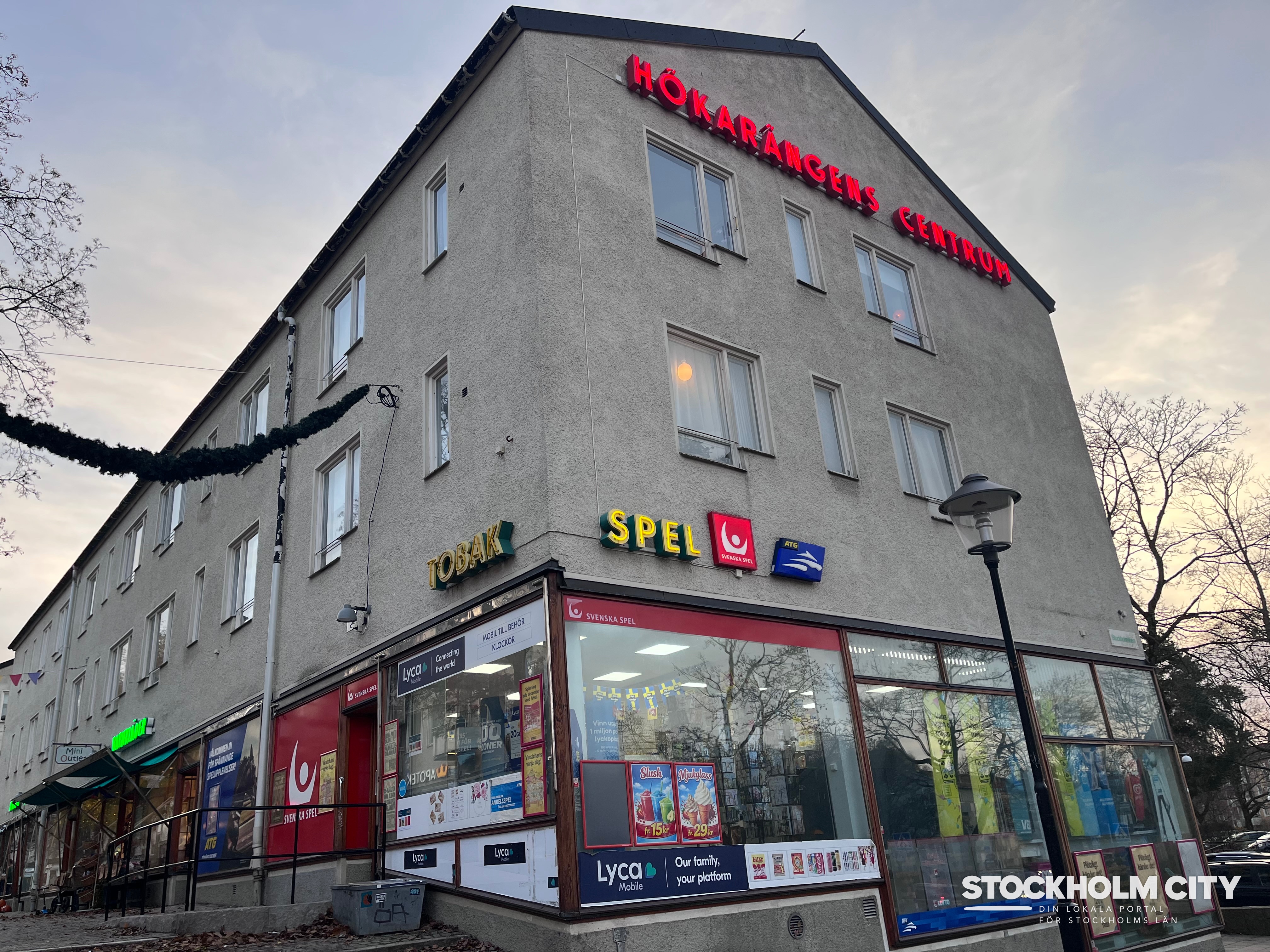
Shopping in Hökarängen, Stockholm: MatDax, Local Shops, Food and Everyday Finds
Hökarängen is not a large shopping mall, but its local centre has its own character and a useful selection of shops and services. One of its main attractions is MatDax, a grocery store known for its competitive prices, changing weekly offers and varied selection of everyday food products. Visitors can also explore specialty food shops, independent retailers, bakeries and places to eat. For people living in southern Stockholm, Hökarängen offers an opportunity to shop locally while discovering a neighbourhood with a distinctive history and atmosphere.
Read the guide →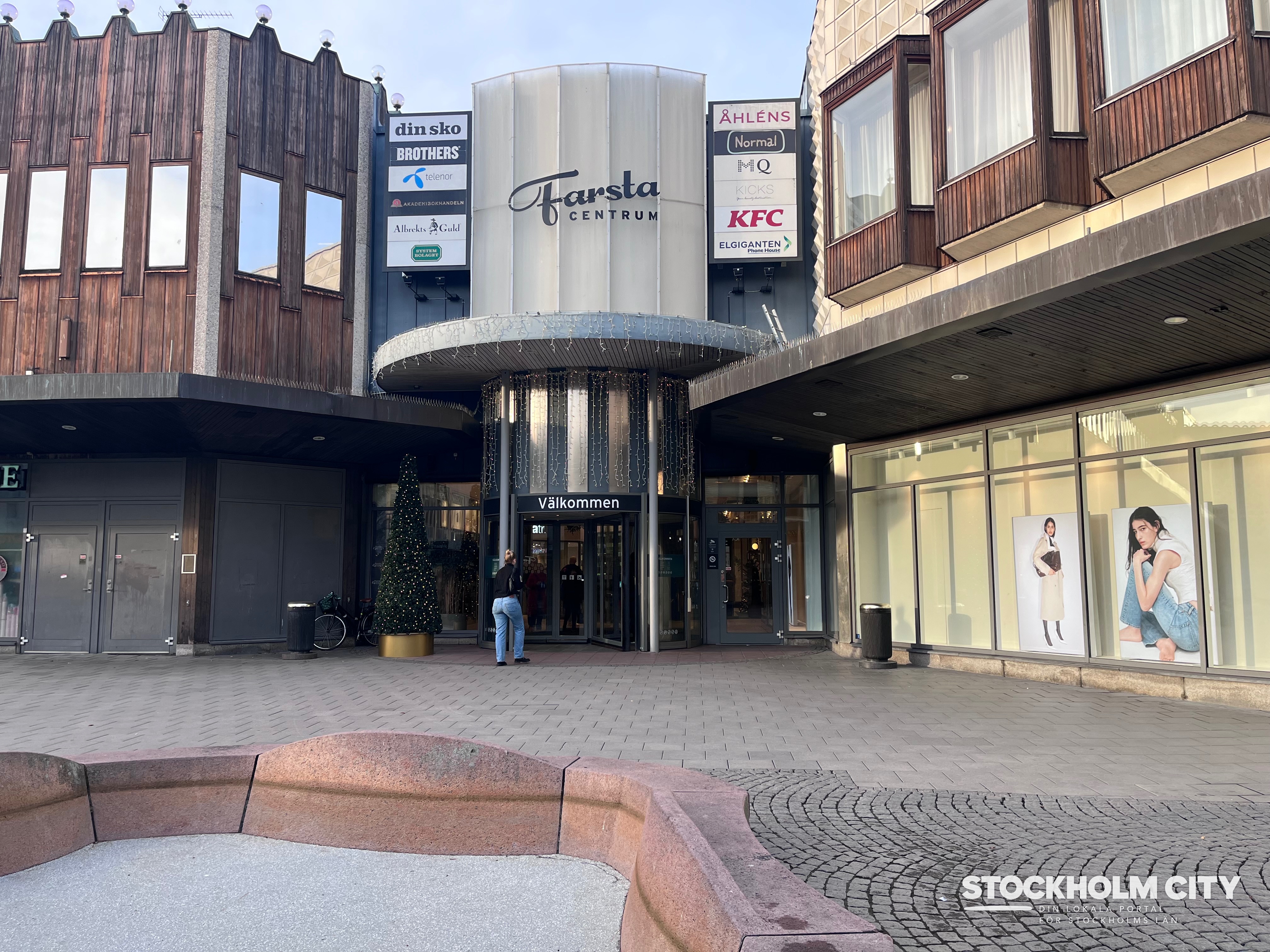 GUIDE · EN
Shopping in Farsta Centrum, Stockholm: Stores, Fashion, Food and Visitor Guide
Farsta Centrum is one of the established shopping destinations in southern Stockholm. Located next to Farsta Centrum metro station, the indoor shopping centre combines fashion, beauty, electronics, home furnishings, groceries and everyday services. With around 150 shops, cafés and restaurants, it offers an alternative to travelling into central Stockholm for everyday shopping. Whether you need new clothes, groceries, a gift or simply somewhere to have lunch, Farsta Centrum has plenty of options to explore.
Read the guide →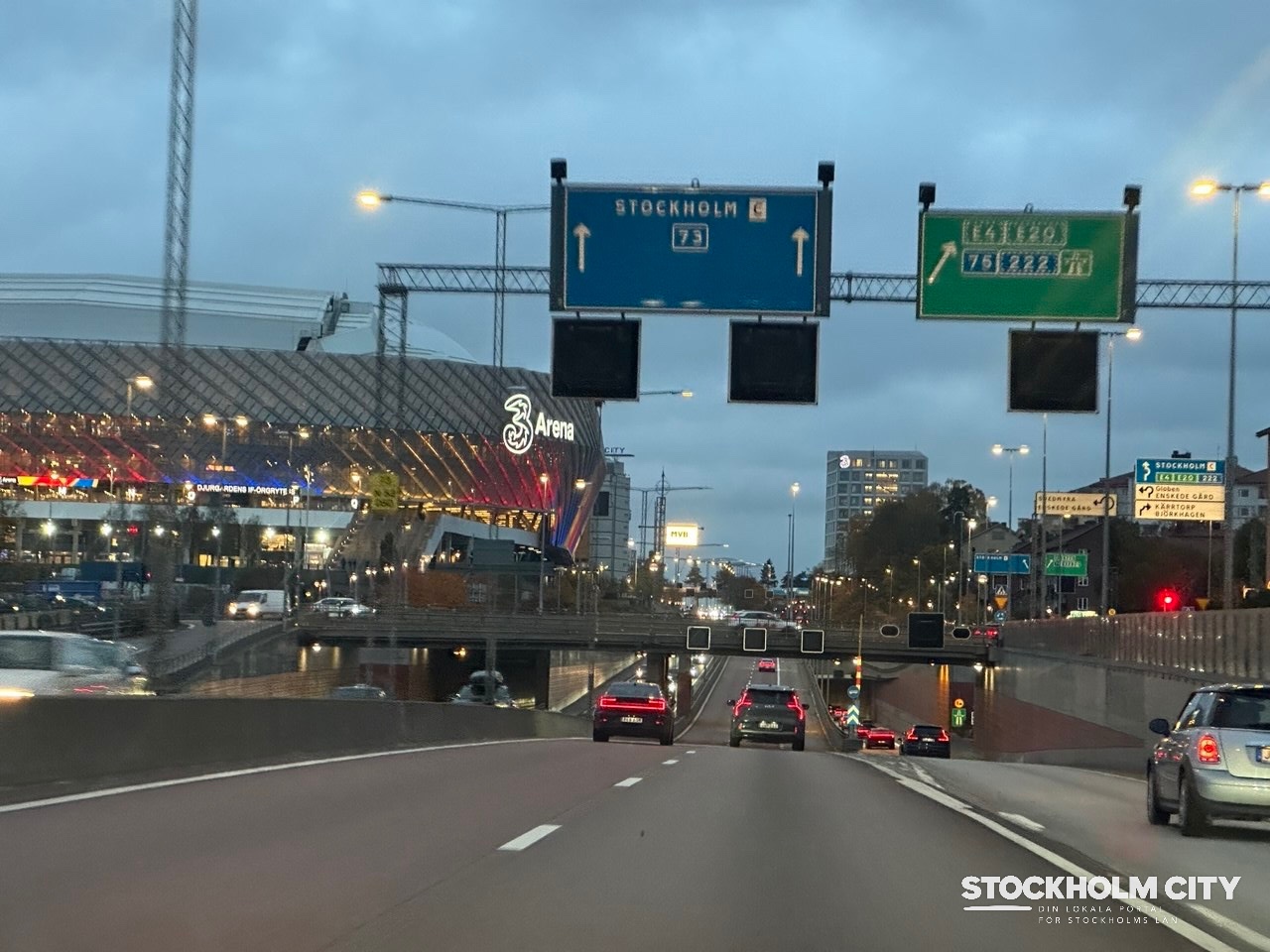 GUIDE · EN
Driving in Stockholm: The Complete Guide to Traffic Rules, Parking, Congestion Charges and Winter Driving
Driving in Stockholm can be convenient, but the city’s traffic system has several rules that may surprise visitors and newcomers. Congestion charges apply when entering central Stockholm and using parts of the E4, parking fees vary by area and time, and special environmental regulations may restrict certain vehicles. Winter driving also requires preparation, particularly when temperatures drop and roads become icy. This guide explains the essential rules, costs and practical details you should know before driving in Stockholm.
Read the guide → GUIDE · EN
Healthcare in Sweden for Foreigners: How to Find a Doctor, Book an Appointment and Use 1177
Understanding the Swedish healthcare system can be difficult when you have recently moved to Stockholm. Where should you go when you are sick? Do you need a personal identity number to see a doctor? How do you book an appointment, and what does healthcare cost? This practical guide explains how foreigners and newcomers can access healthcare in Sweden, including the role of 1177, healthcare centres, hospitals and emergency services.
Read the guide →