
S:ta Clara Church in Stockholm – The Lost Convent, the Great Fire and a Church That Still Helps People
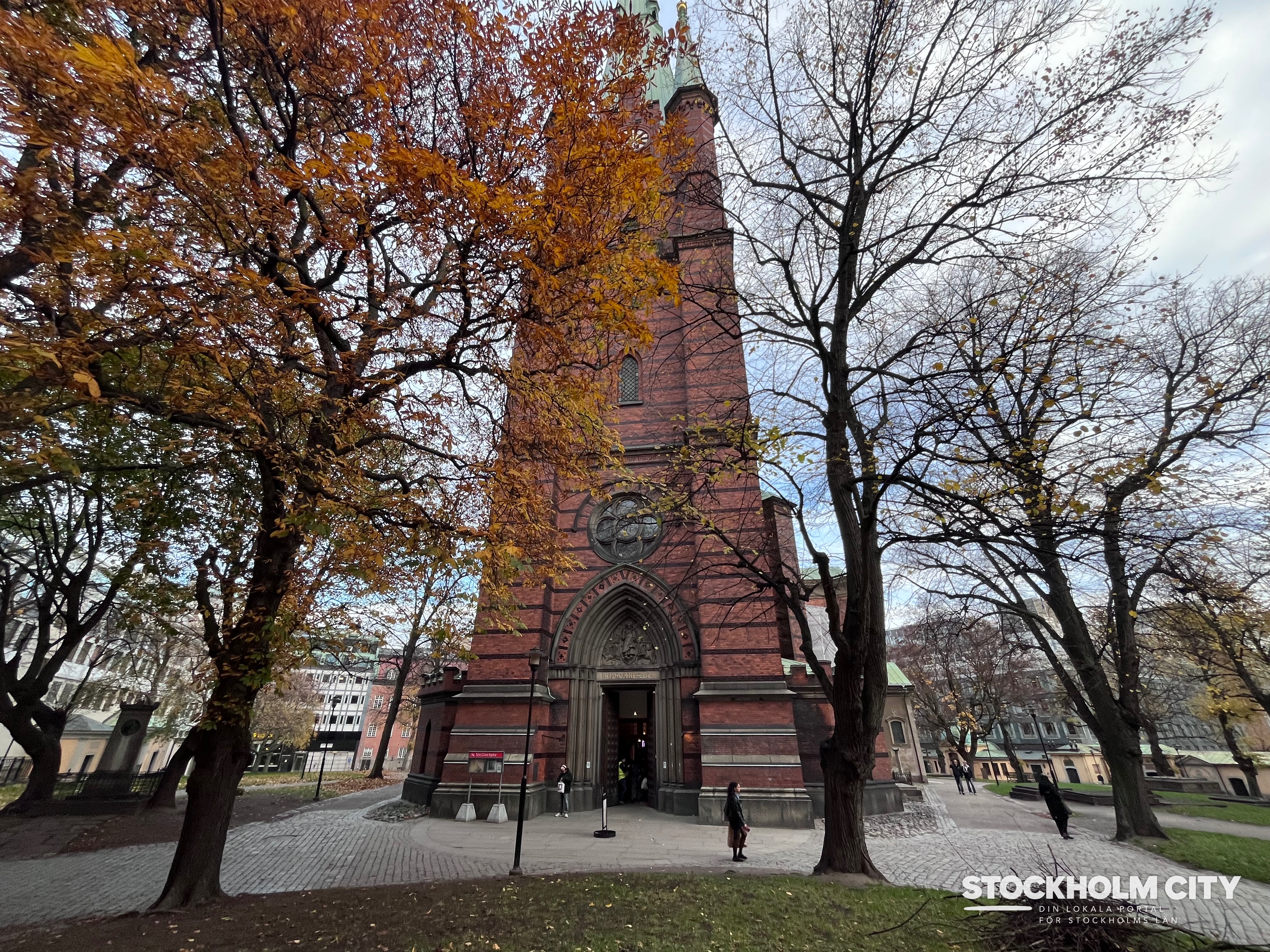
Just a short walk from Stockholm Central Station stands S:ta Clara Church, also known as Klara Church. Its tall tower is a familiar feature of the city centre, but the building has a much deeper story than its impressive exterior suggests. A medieval convent once stood here, a major fire almost destroyed the church in 1751, and today the site remains an active place of worship and social outreach. For visitors interested in Stockholm’s history beyond the Royal Palace and Gamla Stan, S:ta Clara is a worthwhile stop.
Published 31 October 2026 · Updated 31 October 2026 · 5 min read
A historic church in the heart of Stockholm
S:ta Clara Church is located in the Norrmalm district, close to Stockholm Central Station, T-Centralen metro station and the modern shopping streets of the city centre.
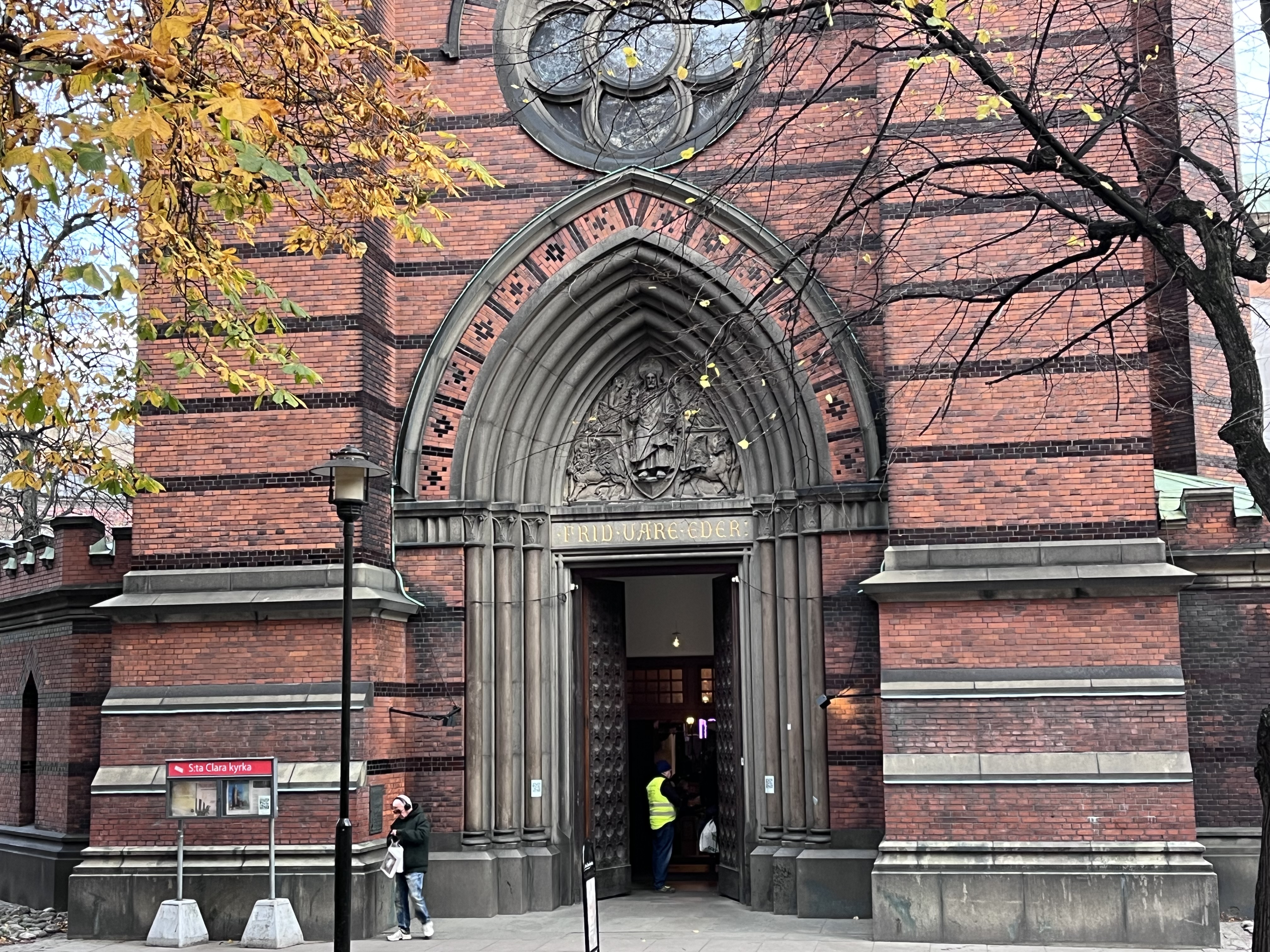
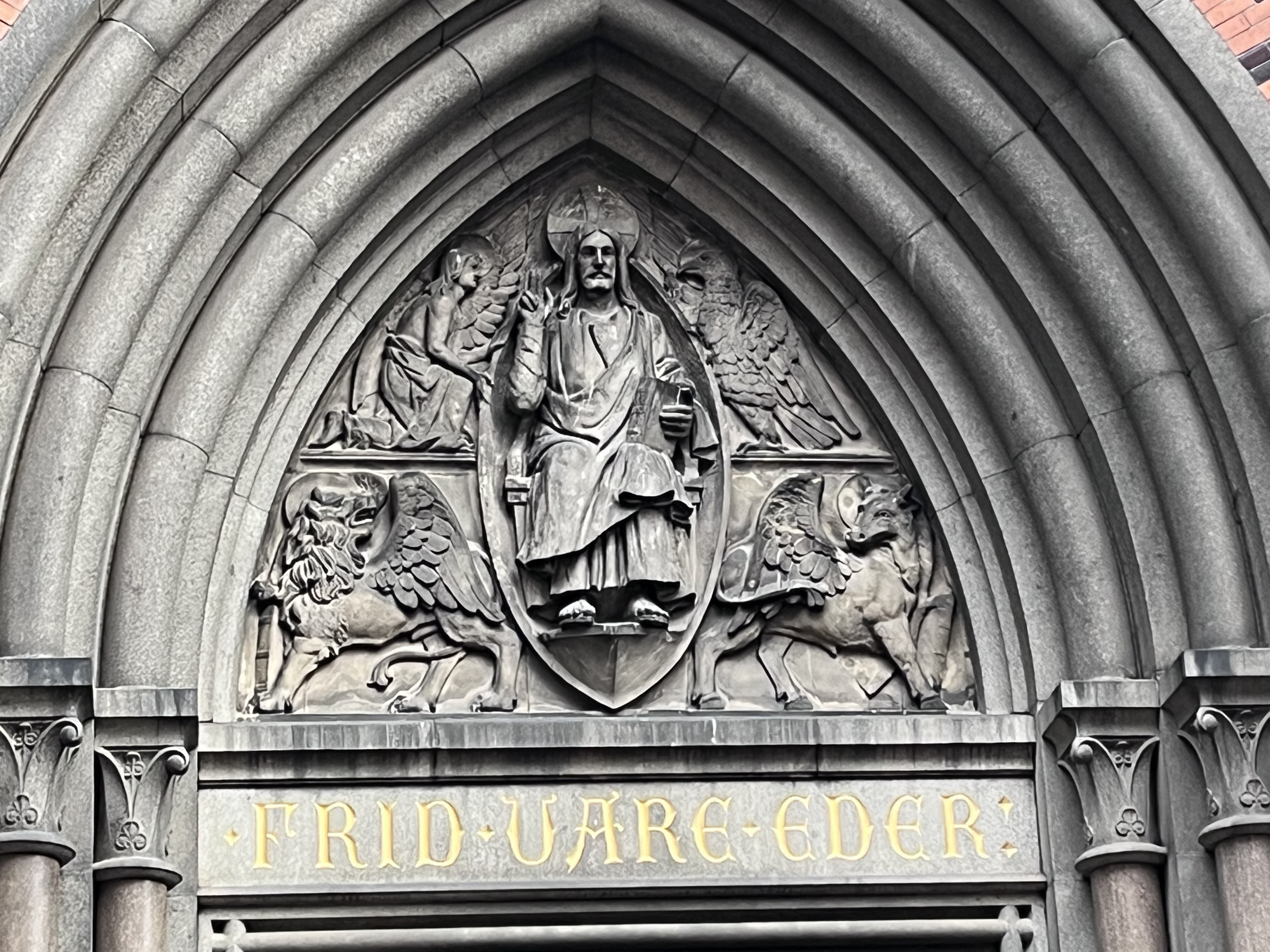
At first glance, its red-brick architecture and prominent tower make it easy to recognise. But the church is more than an architectural landmark. Its history reflects several important periods in Stockholm’s development, including the medieval religious life of the city, the Reformation, devastating fires and the transformation of central Stockholm.
The church is also an active community space. Visitors may find services, music, opportunities for quiet reflection and social activities taking place throughout the week.
Before the church: a medieval convent
The story of S:ta Clara begins in the late 13th century.
Around the 1280s, a convent for the Poor Clares, a religious order inspired by Saint Clare of Assisi, was established in this part of Stockholm. The nuns were known as the Clarisses, and the convent became an important religious institution in medieval Stockholm.
The convent was not only a place of prayer. Historical accounts describe how the nuns also cared for sick and vulnerable people.
Over time, the institution faced difficulties. Donations declined, fewer women entered the religious order and political conflicts affected the convent. By the early 16th century, much of the complex had already fallen into ruin.
The convent was formally closed during the reign of King Gustav Vasa in the 1530s.
Today, almost nothing of the original convent remains above ground. Its story, however, is an important part of the history of this location.
The fire of 1751 – a disaster that changed the church
One of the most dramatic events in the church’s history took place on 8 June 1751.
A major fire broke out in the Norrmalm area and severely damaged S:ta Clara Church. The roof, windows, interior furnishings and floor were destroyed. Only the outer walls remained standing.
The congregation and local supporters organised the reconstruction. Architect Carl Hårleman prepared plans for the restoration, and donations were collected from across Sweden to help finance the work.
The church was reopened on Easter Sunday in 1753, less than two years after the fire.
The rebuilding was completed in stages. The church continued to develop over the following decades, and later renovations changed both its appearance and interior.
The tower that became a Stockholm landmark
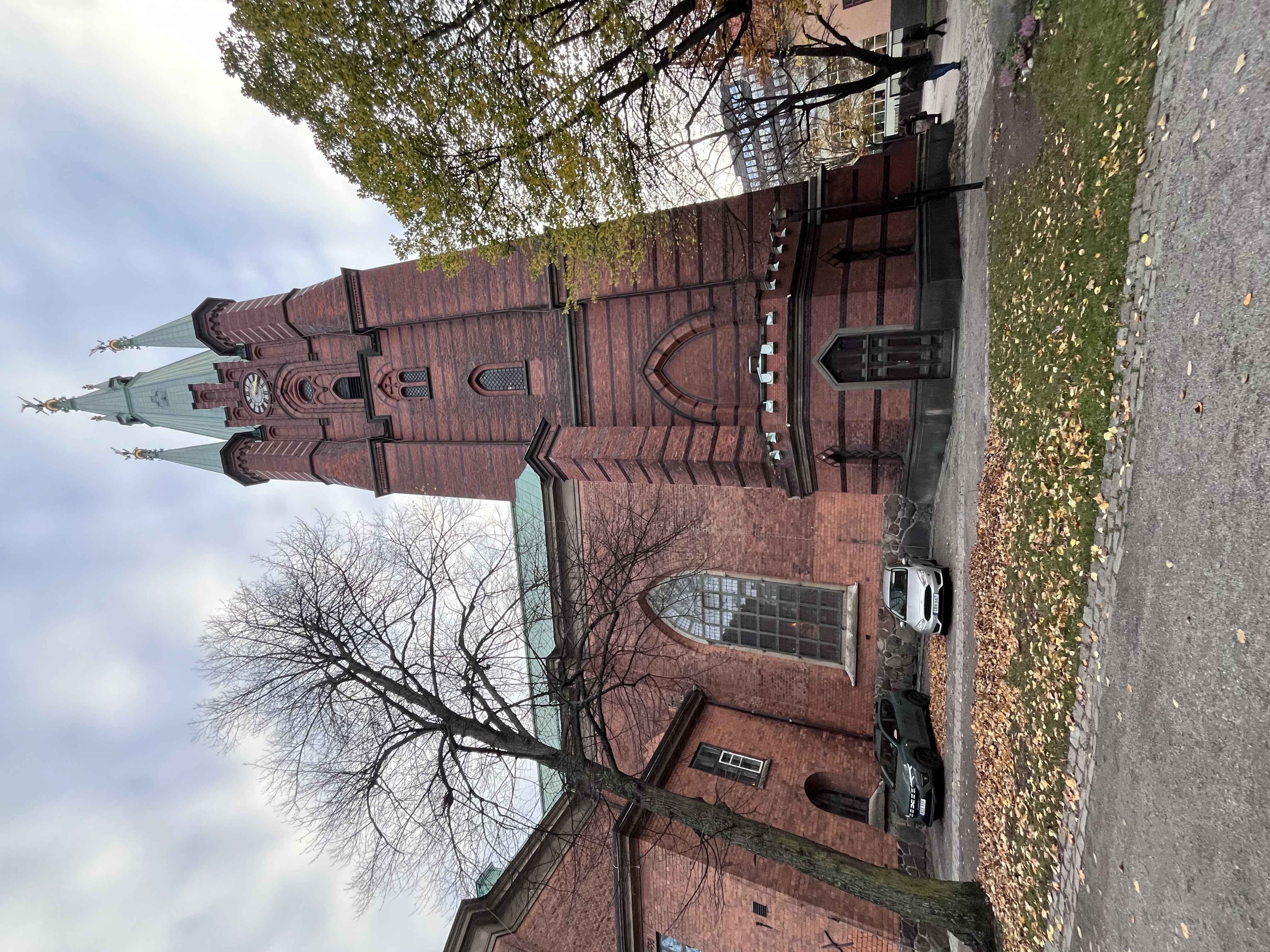
The church’s tower is one of its most recognisable features.
After the fire, a temporary tower structure was installed. Plans for a more permanent design were developed, but financial difficulties delayed the work.
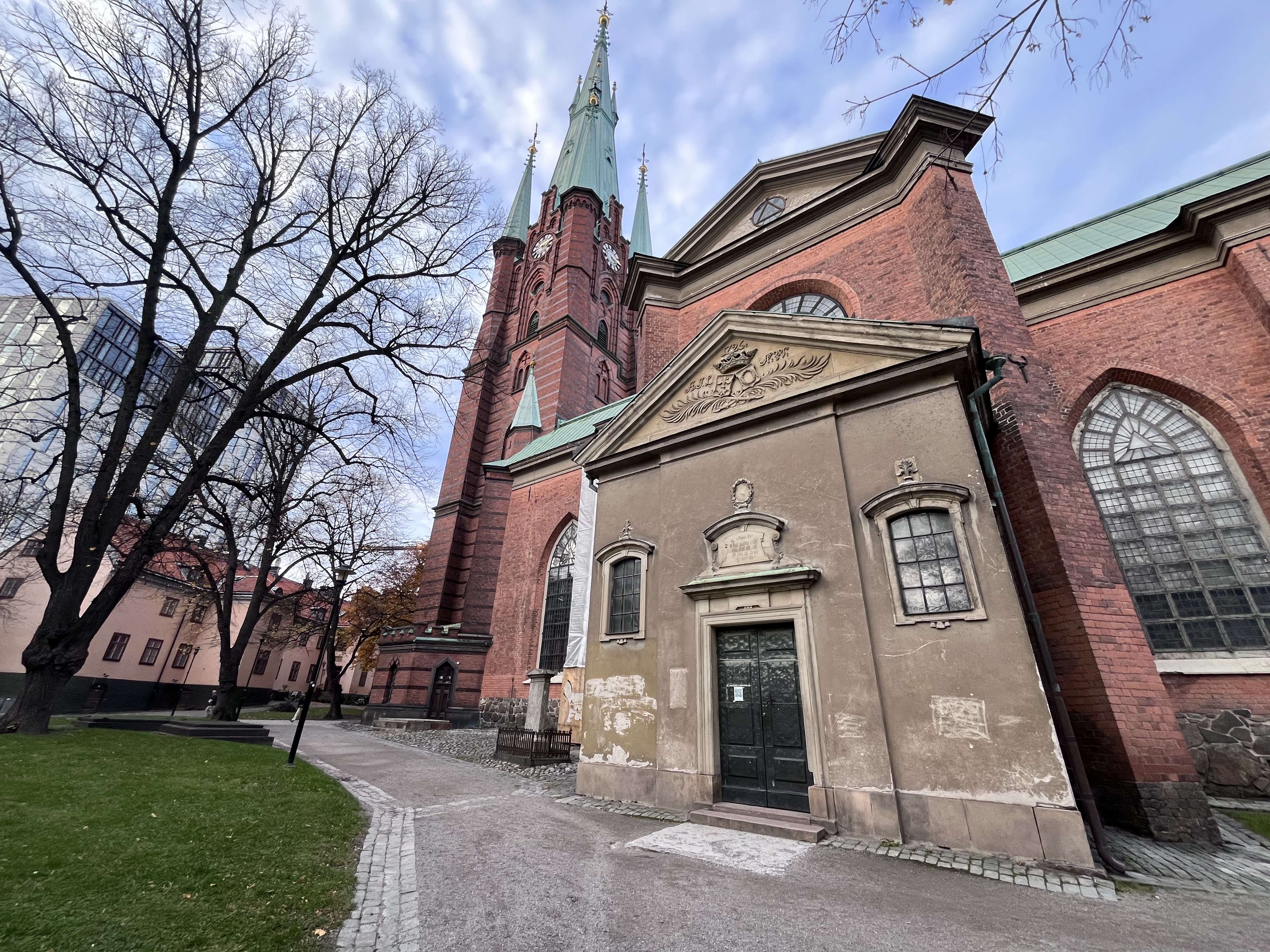
The tower received its present neo-Gothic appearance during major renovation work in 1884–1886, under architect Helgo Zettervall.
Further changes followed during the 20th century. The interior was renovated, new lighting was installed and the church received the appearance visitors can experience today.
When walking through central Stockholm, look up towards the tower. It offers a striking contrast to the modern buildings and busy streets surrounding the church.
More than a historical building: a place that helps people
S:ta Clara Church is not simply a monument from Stockholm’s past.
The church is known for its social and charitable work, particularly its support for people experiencing homelessness, poverty and social vulnerability.
The congregation describes its mission as bringing practical help, community and hope to people in need.
This work connects the present-day church with the charitable traditions associated with the medieval convent that once occupied the site.
Visitors may therefore encounter a living community rather than a traditional tourist attraction. Respect ongoing services, activities and the privacy of people receiving support.
What should you look for when visiting?
Even a short visit can reveal several interesting details.
The exterior and tower
Take a moment to look at the red-brick façade and the tall tower. The building’s appearance reflects several centuries of reconstruction and architectural change.
The church interior
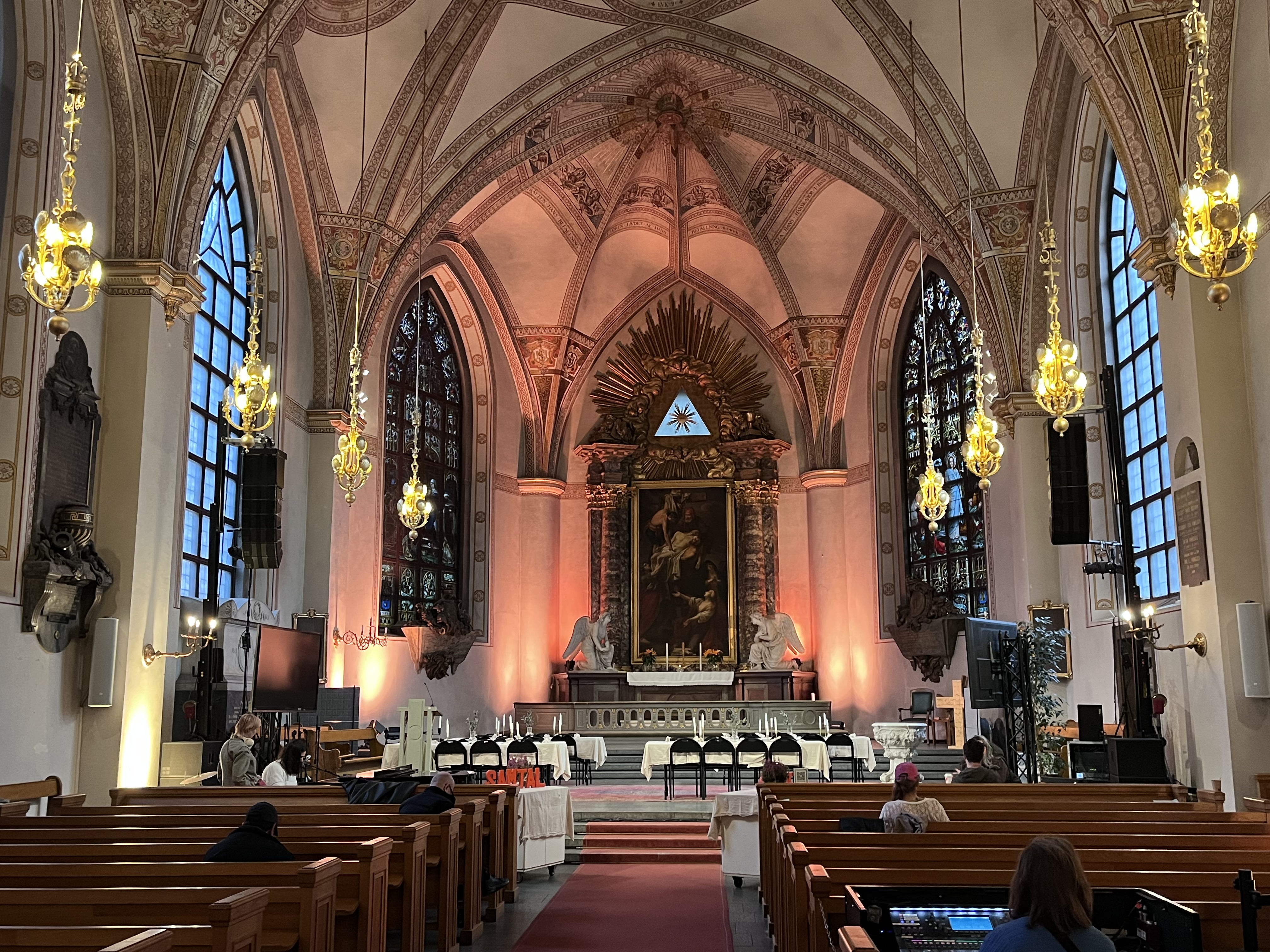
If the church is open, step inside and experience the atmosphere of the historic space. Notice the interior decoration, the lighting, the altar and the architectural details that have developed over time.
The church’s location
The church stands in an area where historic Stockholm meets the modern city. Its surroundings offer an interesting contrast between older religious architecture, shopping streets, office buildings and transport infrastructure.
The human story
Remember that S:ta Clara is also a place of active social work. Its significance is not limited to its age or architecture.
Visiting S:ta Clara Church – practical information
Address: Klara östra kyrkogata 7–9, 111 52 Stockholm, Sweden.
Area: Norrmalm, central Stockholm.
Nearest transport: T-Centralen metro station and Stockholm Central Station.
Admission: The church welcomes visitors during its opening hours. Check the church’s current information before visiting, particularly if you plan to attend a service or event.
Regular opening hours according to the church:
- Monday–Wednesday: 10:00–17:00
- Thursday: 08:30–17:00
- Friday: 10:00–17:00
- Saturday: 11:00–15:00 and 17:30–18:10
- Sunday: 10:00–17:00
Opening hours may change on special dates and during church events. Always check the official website before travelling.
The church also hosts Saturday evening music events, with the programme and details published by the church.
Add S:ta Clara to your Stockholm walking route
S:ta Clara Church is easy to include in a walking tour of central Stockholm.
You can combine a visit with nearby attractions such as Sergels Torg, Drottninggatan, Stockholm City Hall and the waterfront around Klara Mälarstrand.
The church is particularly interesting for travellers who want to understand how Stockholm developed over the centuries, rather than only visiting the city’s most famous tourist attractions.
It is a reminder that behind the modern streets of the Swedish capital are stories of medieval life, destruction, rebuilding and the people who continue to shape the city today.
More Visit Stockholm guides
 GUIDE · EN
Stockholm with Kids: 15 Best Family Attractions and Activities
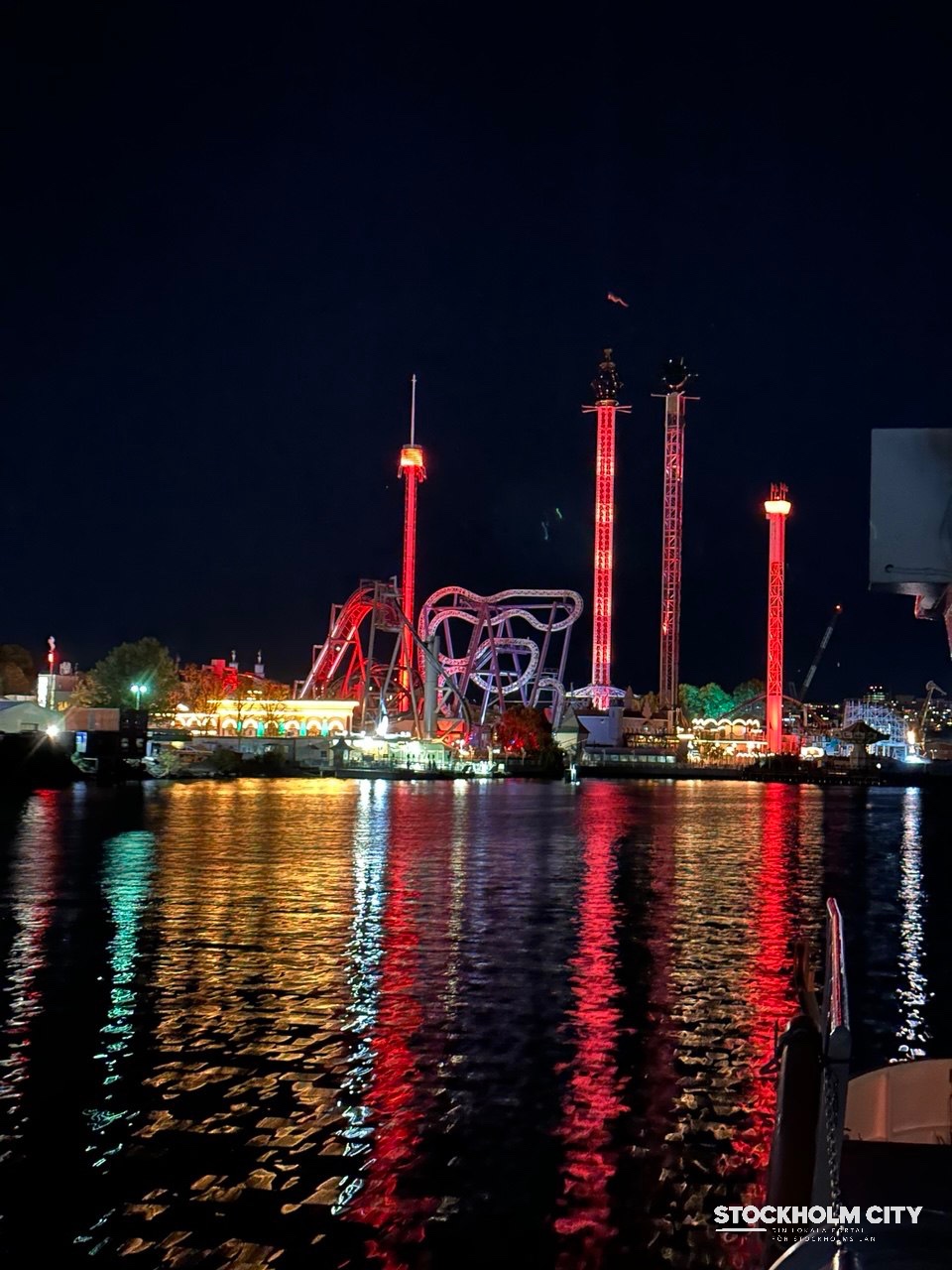
Stockholm offers much more to families than museums and sightseeing. Children can enjoy roller coasters at Gröna Lund, meet animals at Skansen, enter the magical world of Astrid Lindgren at Junibacken, explore tropical butterflies, experiment with science and discover some of Sweden’s best playgrounds. Whether you are visiting with toddlers, school-age children or teenagers, here are 15 family activities worth adding to your Stockholm itinerary.
Read the guide → GUIDE · EN
Stockholm Archipelago Guide: How to Visit the Islands by Ferry
With over 30,000 islands, islets and skerry rocks, the Stockholm archipelago is one of Sweden’s most remarkable natural landscapes. Yet you do not need a private yacht or expensive tours to experience it. Using Stockholm’s efficient public ferry network, including Waxholmsbolaget vessels and SL commuter boats, visitors can easily navigate from the heart of the city to serene coastal islands. Here is your complete guide to planning an island-hopping trip by ferry.
Read the guide →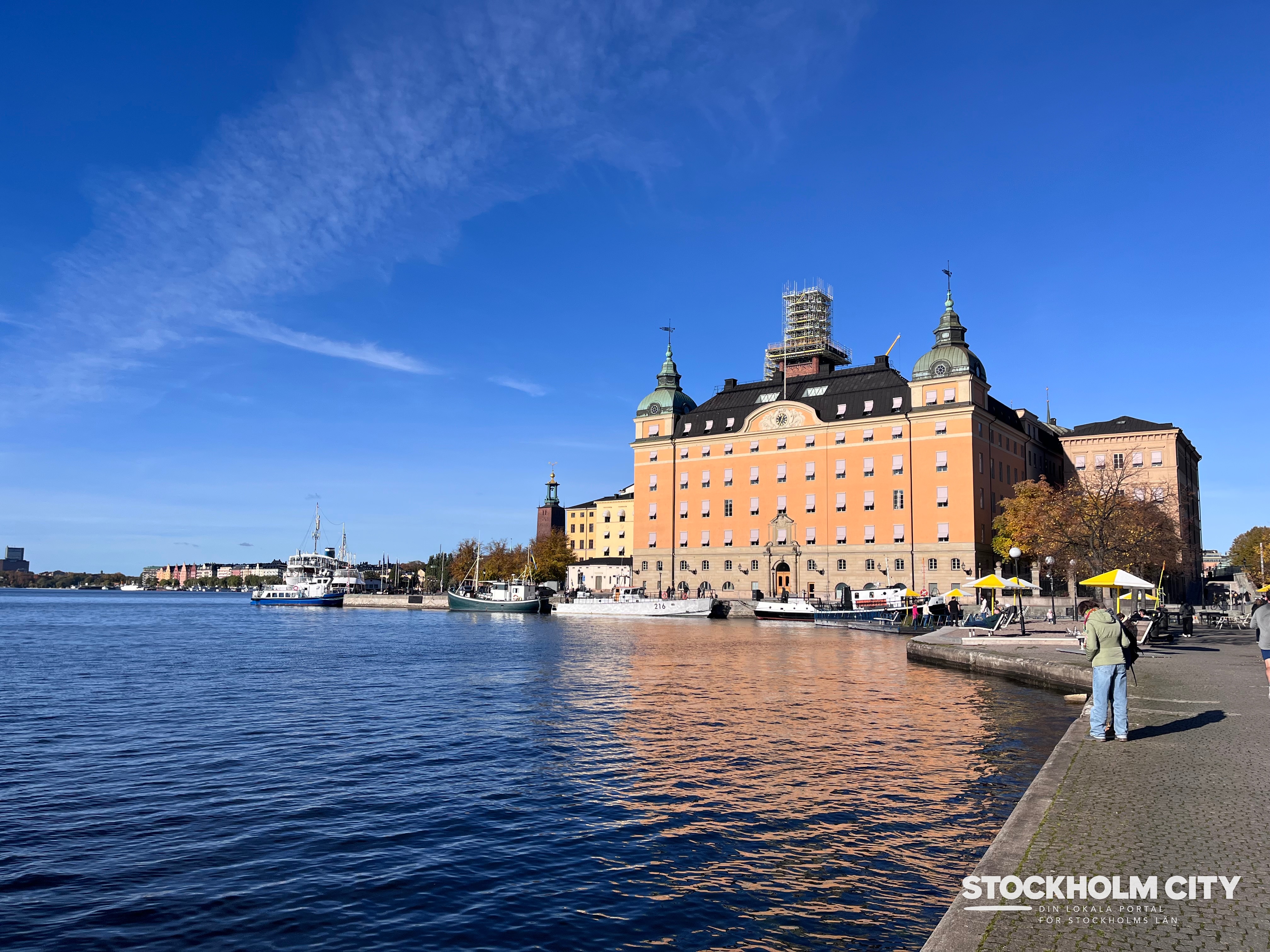 GUIDE · EN
Best Things to Do in Stockholm: 15 Must-See Attractions for First-Time Visitors
Visiting Stockholm for the first time? The Swedish capital combines historic royal architecture, world-famous museums, beautiful islands, waterfront promenades and modern Scandinavian culture. From the extraordinary Vasa warship to the Royal Palace and the Stockholm archipelago, these are 15 attractions worth adding to your travel plans.
Read the guide → GUIDE · EN
Stockholm Public Transport Guide: Tickets, Prices, Metro, Buses and Ferries
Stockholm has an extensive public transport network connecting the city centre, neighbourhoods and surrounding municipalities. For visitors, the system is relatively easy to use once you understand how SL tickets work. This guide explains ticket prices, travel cards, contactless payments, transport options and practical tips for exploring Stockholm.
Read the guide →