
Best Things to Do in Stockholm: 15 Must-See Attractions for First-Time Visitors
Visiting Stockholm for the first time? The Swedish capital combines historic royal architecture, world-famous museums, beautiful islands, waterfront promenades and modern Scandinavian culture. From the extraordinary Vasa warship to the Royal Palace and the Stockholm archipelago, these are 15 attractions worth adding to your travel plans.
Published 31 October 2026 · Updated 31 October 2026 · 14 min read
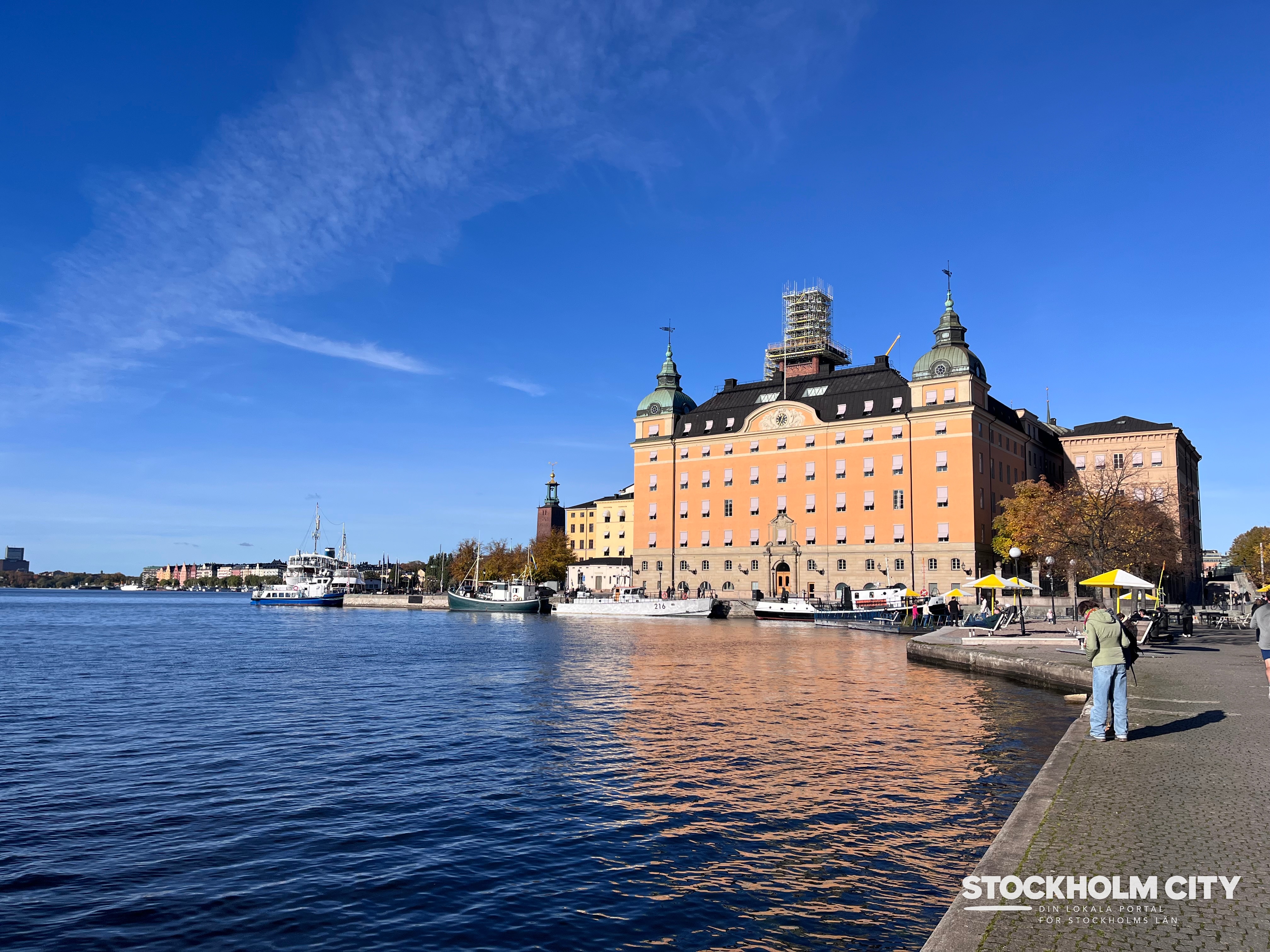
What should you see in Stockholm?
Stockholm is built across 14 islands connected by bridges and surrounded by water. Its attractions are spread across several districts, but many of the most important sights are relatively easy to reach by public transport.
If this is your first visit, it is worth combining historical landmarks with museums, neighbourhood walks and time by the waterfront.
Here are 15 attractions that will help you experience different sides of Stockholm.
1. The Vasa Museum – See a 17th-century warship
The Vasa Museum (Vasamuseet) is one of Stockholm’s most remarkable attractions and a must-see for anyone interested in history.
The museum houses the almost completely preserved Vasa warship, which sank during its maiden voyage in 1628. The ship was salvaged from Stockholm harbour in 1961 and carefully preserved.
Visitors can walk around several levels of the museum and see the enormous wooden vessel from different angles. Exhibitions explain the ship’s construction, life aboard, the sinking and the archaeological work involved in recovering it.
Why visit: The Vasa is a unique historical object and one of the most memorable museum experiences in Sweden.
Recommended time: 1.5–2 hours.
Location: Galärvarvsvägen 14, Djurgården.
Tickets: Adult admission is 195 SEK during January–April and October–December 2026. Visitors aged 18 and under enter free. Seasonal prices apply during other months.
Official website: https://www.vasamuseet.se/en/
2. The Royal Palace – Discover Sweden’s royal history
Stockholm’s Royal Palace (Kungliga Slottet) stands in the historic centre, close to Gamla Stan.
It is one of Europe’s largest royal palaces and remains an important working royal building. Visitors can explore selected royal apartments, historic rooms and museum exhibitions.
The palace experience includes the Royal Apartments, the Treasury and the Museum Three Crowns, subject to opening arrangements and official events.
The Changing of the Royal Guard is another popular attraction outside the palace. The ceremony schedule varies, so check the official calendar before planning your visit.
Why visit: It offers a fascinating introduction to Sweden’s monarchy, royal traditions and architectural history.
Recommended time: 1.5–2 hours.
Location: Slottsbacken, Gamla Stan.
Official website: https://www.kungligaslotten.se/english/royal-palaces-and-sites/the-royal-palace.html
3. Stockholm City Hall – The home of the Nobel Banquet
Stockholm City Hall (Stadshuset) is one of the city’s most recognisable buildings.
Its red-brick tower and waterfront location make it an important part of Stockholm’s skyline. Inside, the building contains magnificent ceremonial halls, including the famous Blue Hall and Golden Hall.
The Blue Hall is where the Nobel Banquet takes place after the annual Nobel Prize ceremony.
Visitors can enter the building only through a guided tour. Tours are available in Swedish and English, depending on the schedule.
The surrounding City Hall Park is also worth visiting for its architecture, sculptures and views across Lake Mälaren.
Why visit: It combines Swedish architecture, political history and the international tradition of the Nobel Banquet.
Recommended time: Around 45–60 minutes for the guided visit, plus time outside.
Location: Hantverkargatan 1, Kungsholmen.
Tickets: Adult guided-tour ticket is 150 SEK according to the published information.
Official website: https://stadshuset.stockholm/en/visit-stockholm-city-hall/
4. Skansen – Experience traditional Sweden
Skansen is an open-air museum and cultural heritage park on Djurgården.
Founded in 1891, it brings together historic buildings, traditional environments and representations of Swedish life from different periods.
You can explore old houses, farms, workshops and traditional settings from different parts of Sweden. The park also includes Nordic animals, gardens, the Children’s Zoo and the Baltic Sea Science Center.
Skansen is particularly interesting for visitors who want to understand Swedish culture beyond the modern city.
Opening hours and seasonal activities vary throughout the year.
Why visit: It is one of the best places to discover traditional Swedish architecture, crafts, customs and nature in one location.
Recommended time: 2–4 hours.
Location: Djurgårdsslätten 49–51, Djurgården.
Tickets: Prices vary by season. Children aged 0–15 currently have free admission but need a complimentary ticket.
Official website: https://www.skansen.se/en/
5. ABBA The Museum – Explore Sweden’s musical success
Sweden has produced internationally successful musicians, and ABBA is one of the country’s most famous cultural exports.
ABBA The Museum on Djurgården offers an interactive experience dedicated to the group, its music, history and worldwide success.
Visitors can explore costumes, photographs, instruments and memorabilia. Interactive installations allow you to engage with ABBA’s music and performances.
The museum is particularly popular with music fans and visitors interested in Swedish pop culture.
Why visit: It offers an entertaining look at one of the most successful pop groups in music history.
Recommended time: 1.5–2 hours.
Location: Djurgårdsvägen 68, Djurgården.
Tickets: Adult prices for 2026 vary by date and time, generally between 269 and 349 SEK. Booking online in advance is recommended.
Official website: https://abbathemuseum.com/en/
6. Fotografiska – Contemporary photography and Stockholm views
Fotografiska is a contemporary museum dedicated to photography, visual culture and exhibitions.
Located at Stadsgårdshamnen, the museum occupies a former industrial building overlooking the water.
Its exhibitions change regularly and feature both established international photographers and emerging artists.
The museum also has a restaurant and café with views over Stockholm’s waterfront.
Unlike a traditional museum with a permanent historical collection, Fotografiska offers visitors a changing programme of exhibitions.
Why visit: It is an excellent destination for photography, contemporary art and impressive waterfront views.
Recommended time: 1.5–2 hours.
Location: Stadsgårdshamnen 22, Södermalm.
Tickets: Adult admission is 195 SEK according to the published price information. Check current exhibitions and opening hours before visiting.
Official website: https://stockholm.fotografiska.com/en
7. Nobel Prize Museum – Discover ideas that changed the world
The Nobel Prize Museum is located in the historic Stock Exchange Building at Stortorget in Gamla Stan.
The museum explores the history of the Nobel Prize and the people whose discoveries, ideas and achievements have influenced the world.
Exhibitions cover science, literature, peace and the stories behind the Nobel laureates.
Visitors can learn about Alfred Nobel, the origins of the prize and the achievements of individuals who have received it.
The museum also offers guided tours and activities for younger visitors.
Why visit: It provides an accessible introduction to some of the most important scientific, cultural and humanitarian achievements in modern history.
Recommended time: 1–1.5 hours.
Location: Stortorget 2, Gamla Stan.
Tickets: Adult admission is 160 SEK. Children and young people aged 0–18 enter free.
Official website: https://www.nobelprizemuseum.se/en/
8. Nationalmuseum – Swedish and European art
Nationalmuseum is Sweden’s national museum of art and design.
Located on the waterfront at Blasieholmen, the museum houses paintings, sculptures, drawings, prints and applied arts.
Its collections include works from the 16th century onwards, with pieces by Swedish and international artists.
The building itself is also worth seeing, with grand interiors and a location overlooking the water.
Visitors interested in Scandinavian design, painting and European art history will find plenty to explore.
Why visit: It offers a broad introduction to Swedish art and design alongside important international works.
Recommended time: 1.5–2 hours.
Location: Södra Blasieholmshamnen 2.
Tickets: Regular admission is 160 SEK. Visitors under 20 enter free. Admission is also free for everyone on Thursdays from 17:00 to 20:00, according to the museum’s published information.
Official website: https://www.nationalmuseum.se/en/
9. Moderna Museet – Modern and contemporary art
Moderna Museet is located on Skeppsholmen, a small island in central Stockholm.
The museum presents modern and contemporary art, with works by internationally recognised artists as well as Swedish creators.
Its collection and temporary exhibitions cover different artistic movements, photography, painting, sculpture and experimental forms of art.
The island itself is also pleasant to explore, with waterfront paths and views towards the Royal Palace and central Stockholm.
Why visit: It is one of the city’s leading destinations for modern art and contemporary culture.
Recommended time: 1.5–2 hours.
Location: Exercisplan 4, Skeppsholmen.
Tickets: Regular admission is 170 SEK. Visitors aged 18 and under enter free. Friday admission from 18:00 to 20:00 is also free according to the published information.
Official website: https://www.modernamuseet.se/stockholm/en/
10. Drottningholm Palace – A royal residence and UNESCO World Heritage Site
Drottningholm Palace is located on the island of Lovön, west of central Stockholm.
The palace is a UNESCO World Heritage Site and one of the best-preserved royal residences in Sweden.
The palace dates mainly from the 17th and 18th centuries. Its architecture, gardens and historic interiors make it an important destination for visitors interested in European royal history.
The surrounding park is particularly attractive for walking, with formal gardens, tree-lined paths and views of Lake Mälaren.
The Chinese Pavilion and historic theatre are additional attractions, although opening arrangements vary by season.
Why visit: It offers a different perspective on Stockholm, combining royal architecture, gardens and a UNESCO-listed cultural landscape.
Recommended time: 2–3 hours, excluding travel.
Location: Drottningholm, Ekerö.
Getting there: Public transport is available, and boat services operate seasonally. Check current connections before travelling.
Official website: https://www.kungligaslotten.se/english/royal-palaces-and-sites/drottningholm-palace.html
11. Stockholm Metro Art – An underground art gallery
Stockholm’s metro system is not only a transport network. Many stations feature artworks, installations, paintings and distinctive architectural designs.
Often described as one of the world’s longest art exhibitions, the metro includes works by numerous artists across the network.
Some particularly interesting stations include:
- T-Centralen: Famous for its blue-and-white painted rock surfaces.
- Solna Centrum: Recognisable for its dramatic red and green underground environment.
- Stadion: Features a large rainbow installation.
- Kungsträdgården: Known for its archaeological-inspired interior and colourful details.
- Rådhuset: A station with exposed rock formations and distinctive lighting.
You can explore several stations using a regular SL public transport ticket.
Why visit: It is an unusual way to experience Swedish art and design without visiting a traditional museum.
Recommended time: 1–2 hours, depending on how many stations you explore.
Location: Various metro stations across Stockholm.
Official information: https://sl.se/en/
12. Djurgården – An island full of attractions and green spaces
Djurgården is one of Stockholm’s most popular visitor destinations.
The island combines museums, historic buildings, gardens, waterfront walking paths and green areas.
It is home to several attractions mentioned in this guide, including the Vasa Museum, Skansen and ABBA The Museum.
Even if you do not plan to visit a museum, Djurgården is worth exploring on foot. The island offers a quieter atmosphere than central Stockholm and plenty of opportunities to enjoy nature.
You can reach Djurgården by tram, bus, ferry, bicycle or on foot from parts of the city centre.
Why visit: It combines culture, nature and some of Stockholm’s most important attractions in one area.
Recommended time: 2–4 hours or longer if you plan to visit museums.
Location: Djurgården, central Stockholm.
Official visitor information: https://www.visitstockholm.com/
13. Monteliusvägen – One of Stockholm’s best viewpoints
Monteliusvägen is a scenic walking path on Södermalm, overlooking central Stockholm and Lake Mälaren.
The route offers impressive views of Stockholm City Hall, Riddarholmen, the Old Town and the waterfront.
It is especially popular for photography, sunset views and relaxed walks.
The path is relatively short, making it easy to combine with a visit to Södermalm.
There are several viewpoints and benches along the way, although some sections are narrow and uneven.
Why visit: It offers one of the most memorable panoramic views of central Stockholm without requiring an entrance ticket.
Recommended time: 30–60 minutes.
Location: Södermalm, near Mariatorget.
Admission: Free.
14. Stockholm Cathedral – A historic church in the Old Town
Stockholm Cathedral, known as Storkyrkan, is one of the city’s most important historic churches.
Located beside the Royal Palace in Gamla Stan, the cathedral has played a significant role in Stockholm’s religious and royal history.
Inside, visitors can discover historic interiors, sculptures and works of art. One of the most famous objects is the wooden sculpture of Saint George and the Dragon.
The cathedral has been used for royal ceremonies and remains an active place of worship.
Visitors should check the church’s opening arrangements, as religious services and events can affect access.
Why visit: It offers an opportunity to explore Stockholm’s medieval and religious heritage in the heart of the historic centre.
Recommended time: 30–45 minutes.
Location: Trångsund 1, Gamla Stan.
Official website: https://www.svenskakyrkan.se/stockholmsdomkyrkoforsamling
15. The Stockholm Archipelago – Explore the islands beyond the city
Stockholm is surrounded by an extensive archipelago consisting of thousands of islands and skerries.
A boat trip is one of the most memorable ways to experience the region beyond the city centre.
Some of the most accessible destinations include:
- Fjäderholmarna: A group of islands close to central Stockholm, suitable for a shorter excursion.
- Vaxholm: A historic archipelago town with waterfront streets, restaurants and a fortress.
- Grinda: An island known for its nature, walking routes and outdoor experiences.
- Gustavsberg: Known for its porcelain heritage, museums and waterfront environment.
- Sandhamn: A popular destination in the outer archipelago, requiring more travel time.
Boat routes, journey times and ticket conditions vary depending on the destination and season. Some islands are accessible throughout the year, while other connections operate mainly during the warmer months.
Why visit: The archipelago reveals a completely different side of Stockholm, with nature, coastal villages and the characteristic landscape of the Swedish Baltic coast.
Recommended time: Half a day or a full day, depending on the destination.
Official visitor information: https://www.visitstockholm.com/see-do/excursions/discover-stockholm-archipelago/
How many days do you need to explore Stockholm?
You do not need to visit all 15 attractions during one trip. The best choice depends on your interests and the length of your stay.
One day: Focus on the historic centre, the Royal Palace, City Hall and one major museum.
Two days: Add Djurgården, the Vasa Museum, Skansen or ABBA The Museum, and a viewpoint on Södermalm.
Three to four days: Include more museums, the archipelago or a visit to Drottningholm Palace.
If you are visiting with children, Skansen, the Vasa Museum and ABBA The Museum are particularly interesting options.
Art lovers may prefer Nationalmuseum, Moderna Museet and Fotografiska.
History enthusiasts should consider the Royal Palace, Stockholm Cathedral, the Vasa Museum and Drottningholm Palace.
Practical tips for first-time visitors
- Plan museum visits: Check official opening hours, especially during public holidays and seasonal changes.
- Book popular attractions: Some museums and guided tours have limited capacity or time slots.
- Use public transport: SL connects many major attractions by metro, bus, tram and selected ferry services.
- Wear comfortable shoes: Stockholm is a city of islands, bridges, cobbled streets and waterfront paths.
- Allow time outdoors: Some of the best experiences in Stockholm are free walks along the water and through its parks.
- Check seasonal boat services: Archipelago connections can differ considerably between summer and winter.
- Check ticket conditions: Museum prices and admission rules vary, especially for children and students.
Frequently Asked Questions
What is the number one tourist attraction in Stockholm?
The Vasa Museum is among Stockholm’s most famous attractions. Its remarkably preserved 17th-century warship makes it a unique experience for visitors.
What are the best free things to do in Stockholm?
Visitors can explore Monteliusvägen, walk around Djurgården, enjoy the City Hall Park and discover Stockholm’s metro art using a valid public transport ticket. Some museums also offer free admission for children or at specific times.
Is Stockholm worth visiting for the museums?
Yes. Stockholm has a wide range of museums covering Swedish history, art, photography, music, science and culture.
Can you explore Stockholm without a car?
Yes. Most major attractions are accessible by public transport, walking, cycling or boat.
What is the best area for sightseeing in Stockholm?
Central Stockholm, Gamla Stan, Djurgården and Södermalm are particularly useful areas for first-time visitors.
How much does it cost to visit Stockholm’s attractions?
Costs vary considerably. Some outdoor viewpoints and public spaces are free, while museums and royal attractions charge admission. Check the official websites for current prices.
What should you not miss in Stockholm?
For a first visit, the Vasa Museum, Royal Palace, Stockholm City Hall, Djurgården and a walk through the historic centre are excellent starting points.
Final thoughts
Stockholm is a city that rewards visitors who explore beyond its most famous landmarks.
Its museums reveal centuries of history, its islands offer peaceful walking routes, and its royal buildings reflect the country’s cultural heritage. A visit to the archipelago adds another dimension to the experience.
Whether you are staying for a weekend or a full week, these 15 attractions provide a strong introduction to the Swedish capital.
Start with the landmarks that interest you most, leave time for spontaneous discoveries and enjoy Stockholm at your own pace.
Welcome to Stockholm!
More Visit Stockholm guides
 GUIDE · EN
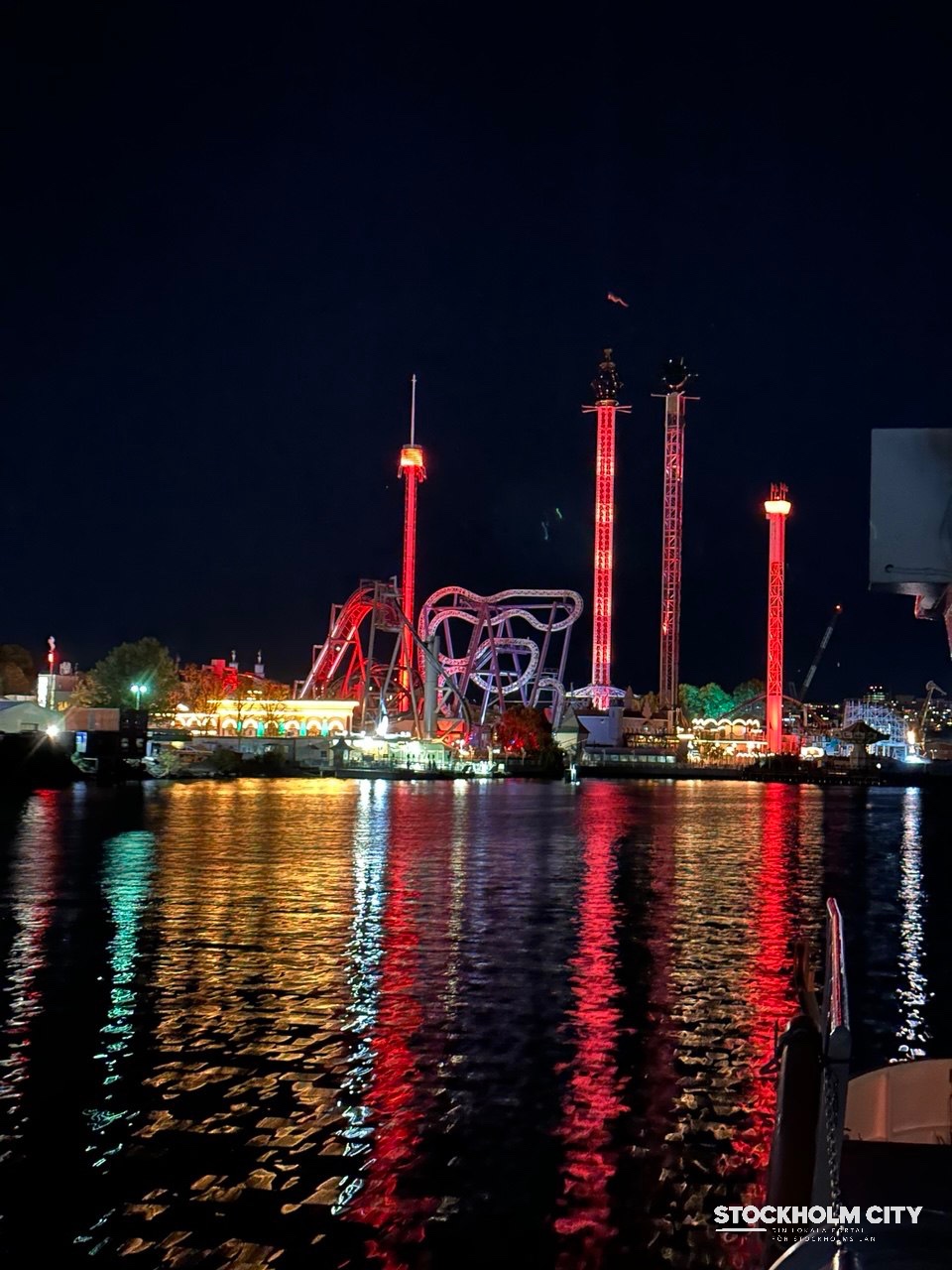
Stockholm with Kids: 15 Best Family Attractions and Activities
Stockholm offers much more to families than museums and sightseeing. Children can enjoy roller coasters at Gröna Lund, meet animals at Skansen, enter the magical world of Astrid Lindgren at Junibacken, explore tropical butterflies, experiment with science and discover some of Sweden’s best playgrounds. Whether you are visiting with toddlers, school-age children or teenagers, here are 15 family activities worth adding to your Stockholm itinerary.
Read the guide →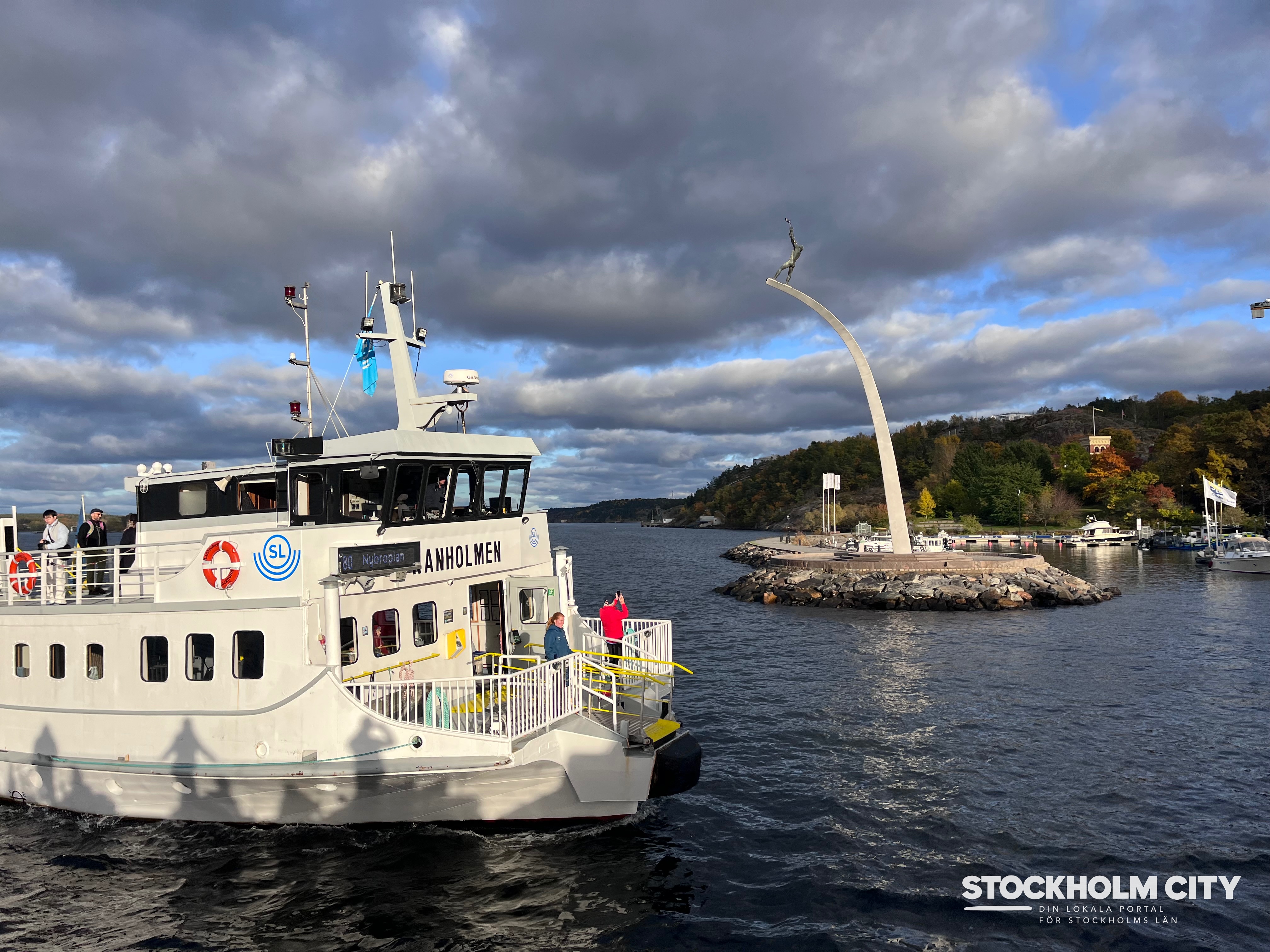 GUIDE · EN
Stockholm Archipelago Guide: How to Visit the Islands by Ferry
With over 30,000 islands, islets and skerry rocks, the Stockholm archipelago is one of Sweden’s most remarkable natural landscapes. Yet you do not need a private yacht or expensive tours to experience it. Using Stockholm’s efficient public ferry network, including Waxholmsbolaget vessels and SL commuter boats, visitors can easily navigate from the heart of the city to serene coastal islands. Here is your complete guide to planning an island-hopping trip by ferry.
Read the guide → GUIDE · EN
Stockholm Public Transport Guide: Tickets, Prices, Metro, Buses and Ferries
Stockholm has an extensive public transport network connecting the city centre, neighbourhoods and surrounding municipalities. For visitors, the system is relatively easy to use once you understand how SL tickets work. This guide explains ticket prices, travel cards, contactless payments, transport options and practical tips for exploring Stockholm.
Read the guide →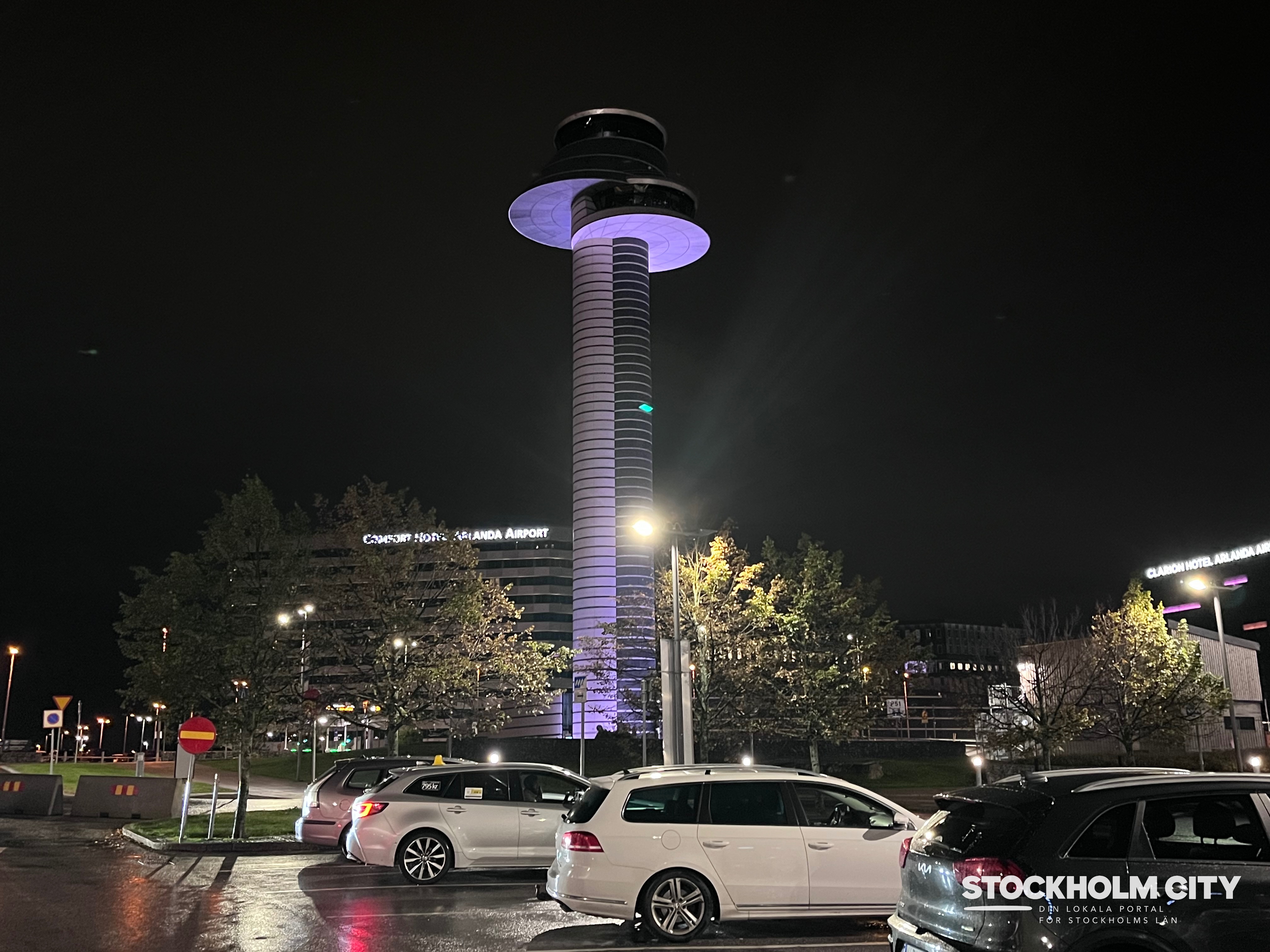 GUIDE · EN
How to Get from Arlanda Airport to Stockholm City Centre
Arriving at Stockholm Arlanda Airport? There are several ways to reach the city centre, from the 18-minute Arlanda Express to affordable airport coaches and public transport. Here is how to choose the right transfer, understand ticket prices and avoid unexpected costs.
Read the guide →